On the afternoon of July 29, 2026, in Ho Chi Minh City, the Global Reporting Initiative (GRI) held a ceremony to announce the Vietnamese translation of the GRI Standards and regional cooperation aimed at promoting transparency, resilience, and school access.
Attendees included Mr. Werner Bardill – Consul General of Sweden in Ho Chi Minh City, Ms. Esther An, GRI Supervisory Boardmember and Director of Sustainable Development at CityDevelopments Limited (CDL), Dr. Allinnettes Adigue, Director of GRI’s ASEAN Network, Mr. Nguyen Cong Minh Bao, GRI Country Director in Vietnam, Dr. William L. Nolten, Chairman and CEO of Golden Gate BCE Group, Mr. Huynh Quoc Khanh, Chairman and Director of LPF FUND Co., Ltd., experts, scientists, and businesses…
As Vietnam rapidly transitions to a circular economy and sustainable development, integrating environmental, social, and governance (ESG) factors is no longer a luxury for businesses but has become a criterion for survival in the global market. More importantly, the impact of climate change is no longer limited to the environment but extends to financial vitalities. Vietnamese businesses are facing direct risks such as supply chain disruptions, resource scarcity, and changes in investor requirements. Transparent disclosure through the Global Reporting Initiative (GRI) standards – the world’s most widely adopted sustainability reporting framework – has now become mandatory for businesses wishing to measure the impact of climate risks, manage risks, and access green capital and key concessional financing.
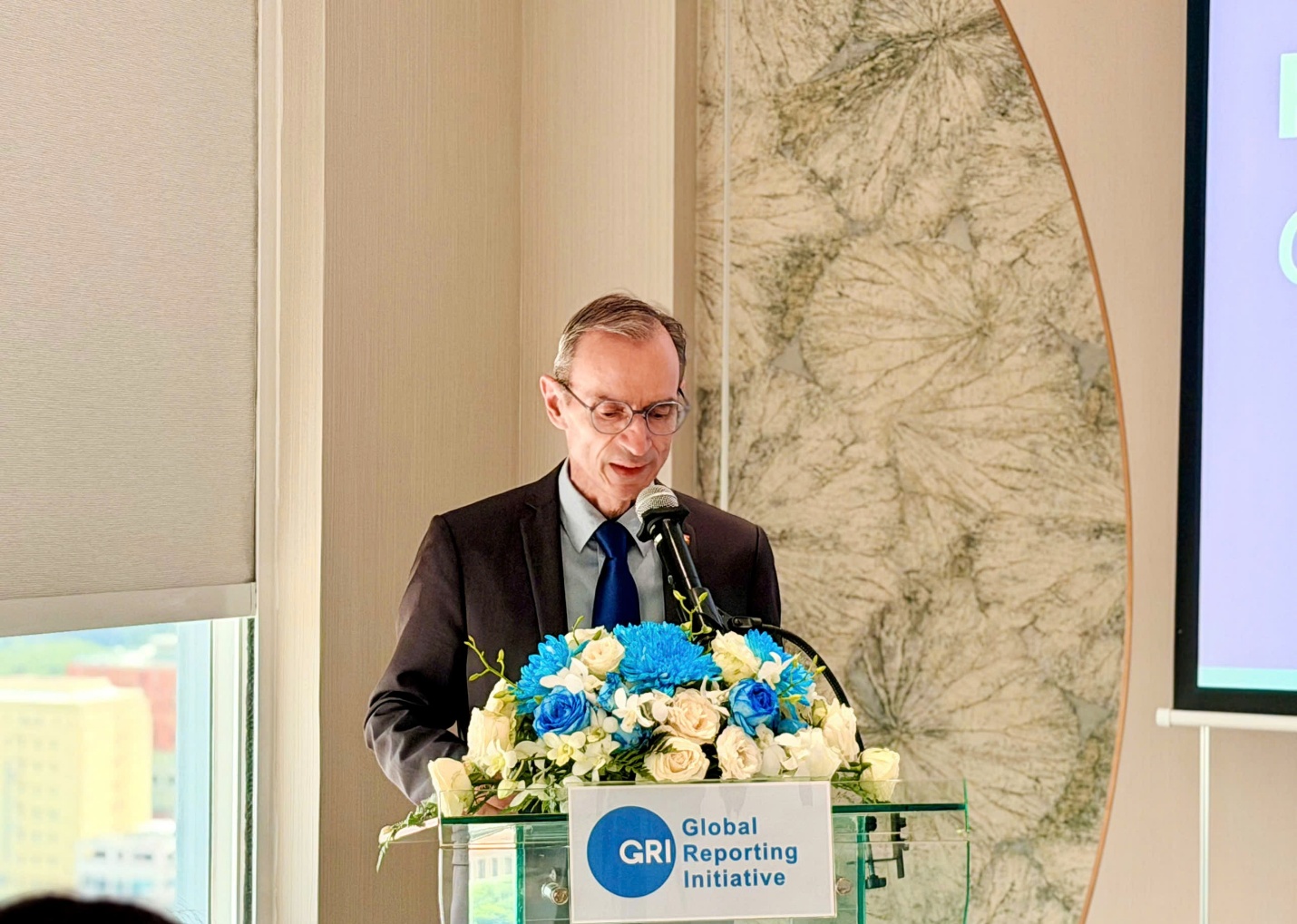
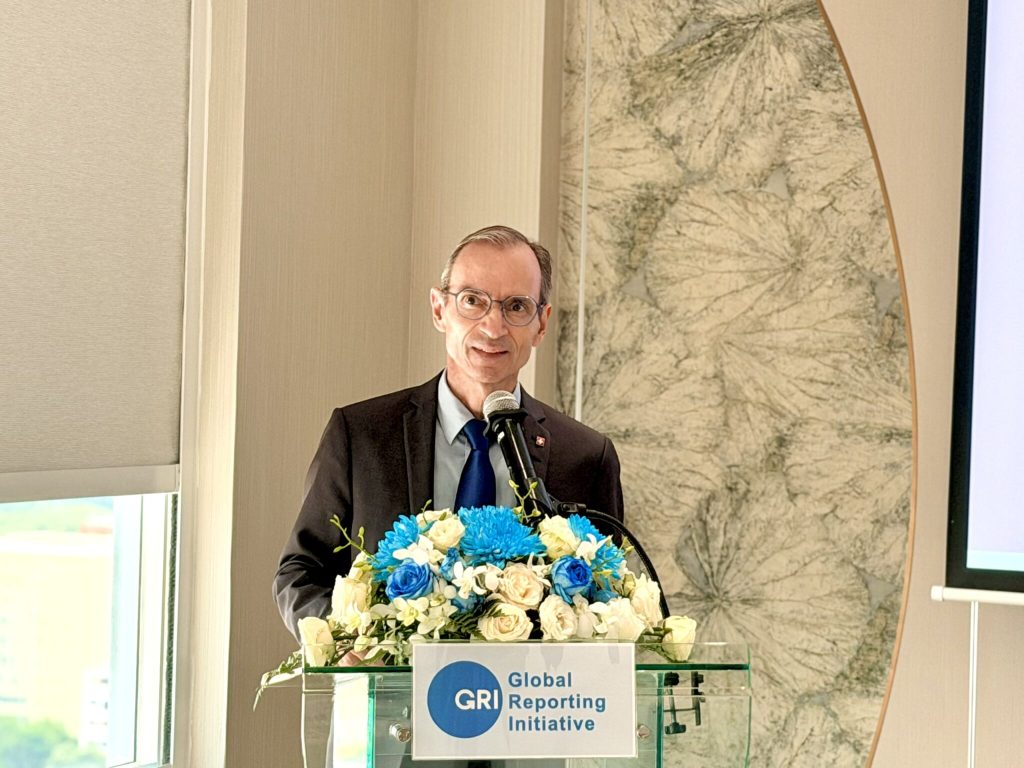
Mr. Werner Bardill, Consul General of Sweden in Ho Chi Minh City, delivered the opening remarks.
The transformation has so far spread to the country’s most crucial economic drivers. In the agriculture and food sector, stringent international regulations such as the EU’s Anti-Deforestation Regulation (EUDR) make compliance a necessary “green visa” to maintain access to export markets and expand global value chains. Similarly, Vietnam’s construction and real estate sectors are facing increasing pressure from mechanisms such as the Carbon Border Adjustment Mechanism (CBAM). As one of the largest carbon emitters and material consumers, this sector is witnessing the rapid establishment of mandatory regulations on green buildings, sustainable construction material procurement, and stricter circular economy regulations. For both sectors, failure to provide verifiable sustainability data means the risk of being completely excluded from high-value markets and green investment portfolios.
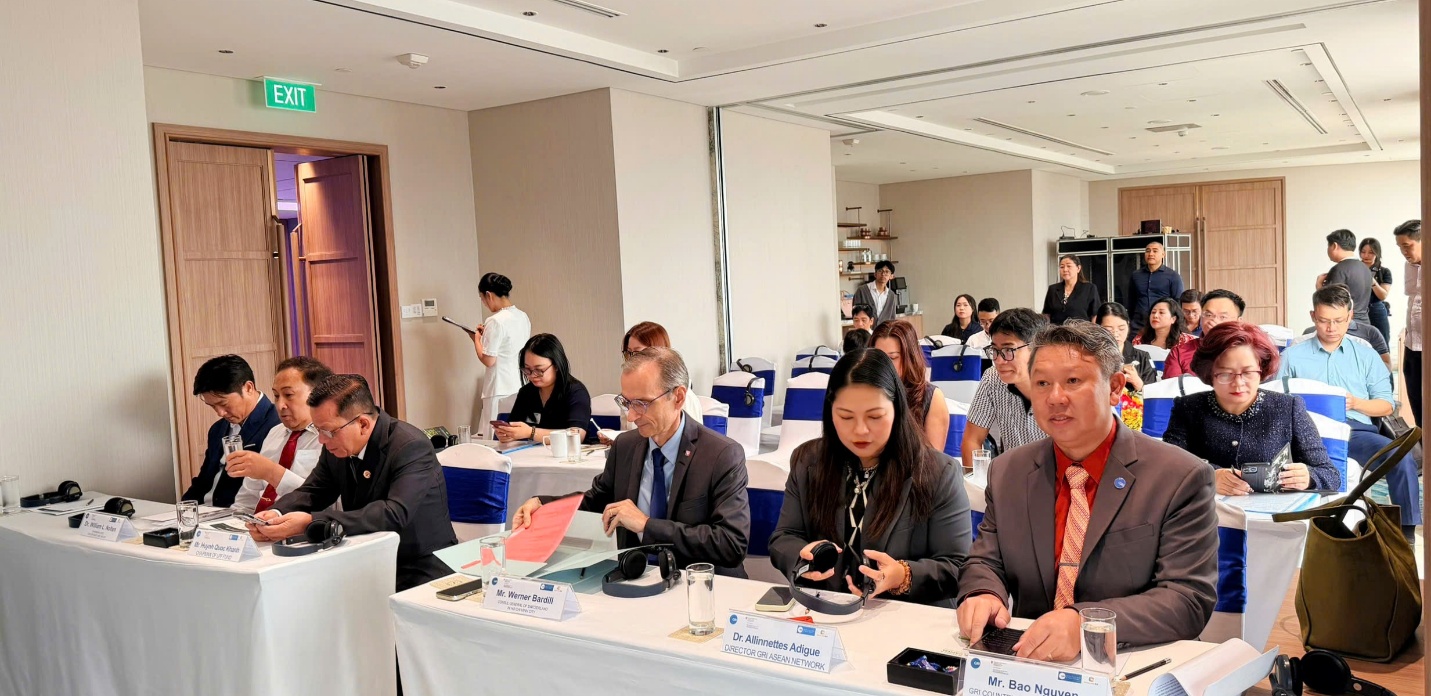
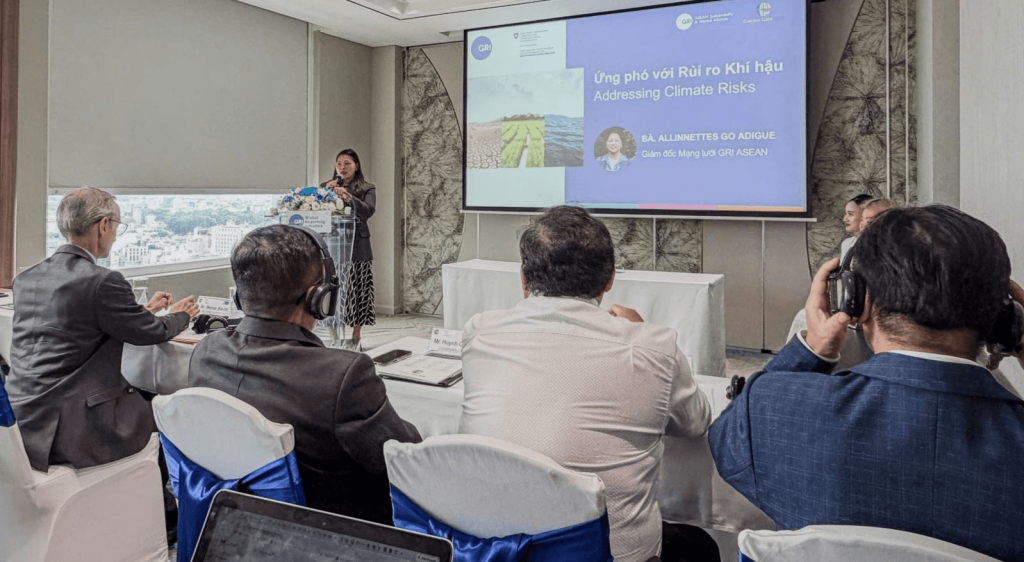
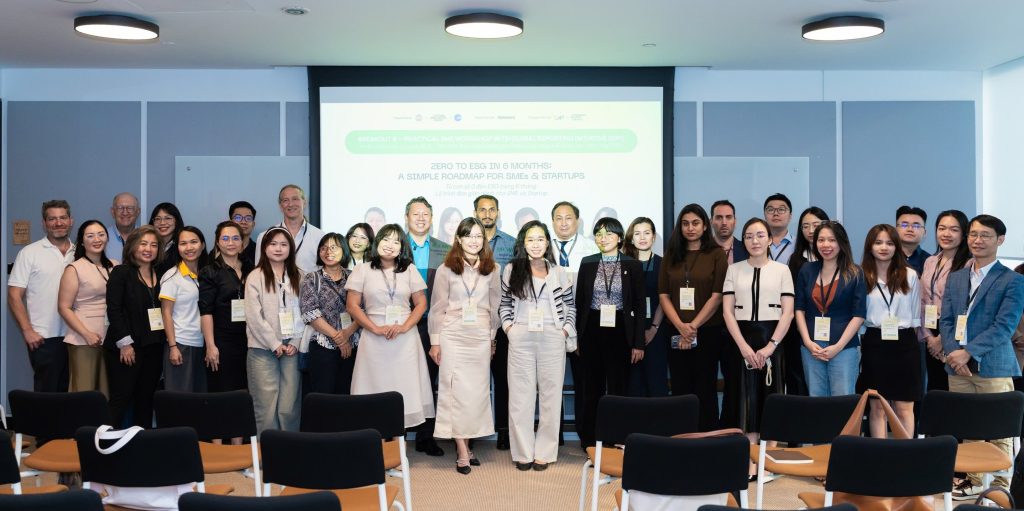
Delegates attending the ceremony to announce the Vietnamese translation of the GRI Standards.
However, Vietnam faces a major, insidious barrier hindering the widespread dissemination of ESG data—the language barrier. For thousands of Vietnamese businesses—particularly agricultural cooperatives, construction industry suppliers, and small and medium-sized enterprises (SMIs)—accessing complex international standards frameworks in English requires technical resources and capabilities they simply lack.
The announcement of the Vietnamese translation of the GRI standards will help overcome this barrier. By translating global standards into the local language, this announcement helps popularize sustainable development reporting, equips Vietnamese businesses with practical tools to quantify climate risks, meet stringent international regulations, and confidently expand their presence in the global value chain.
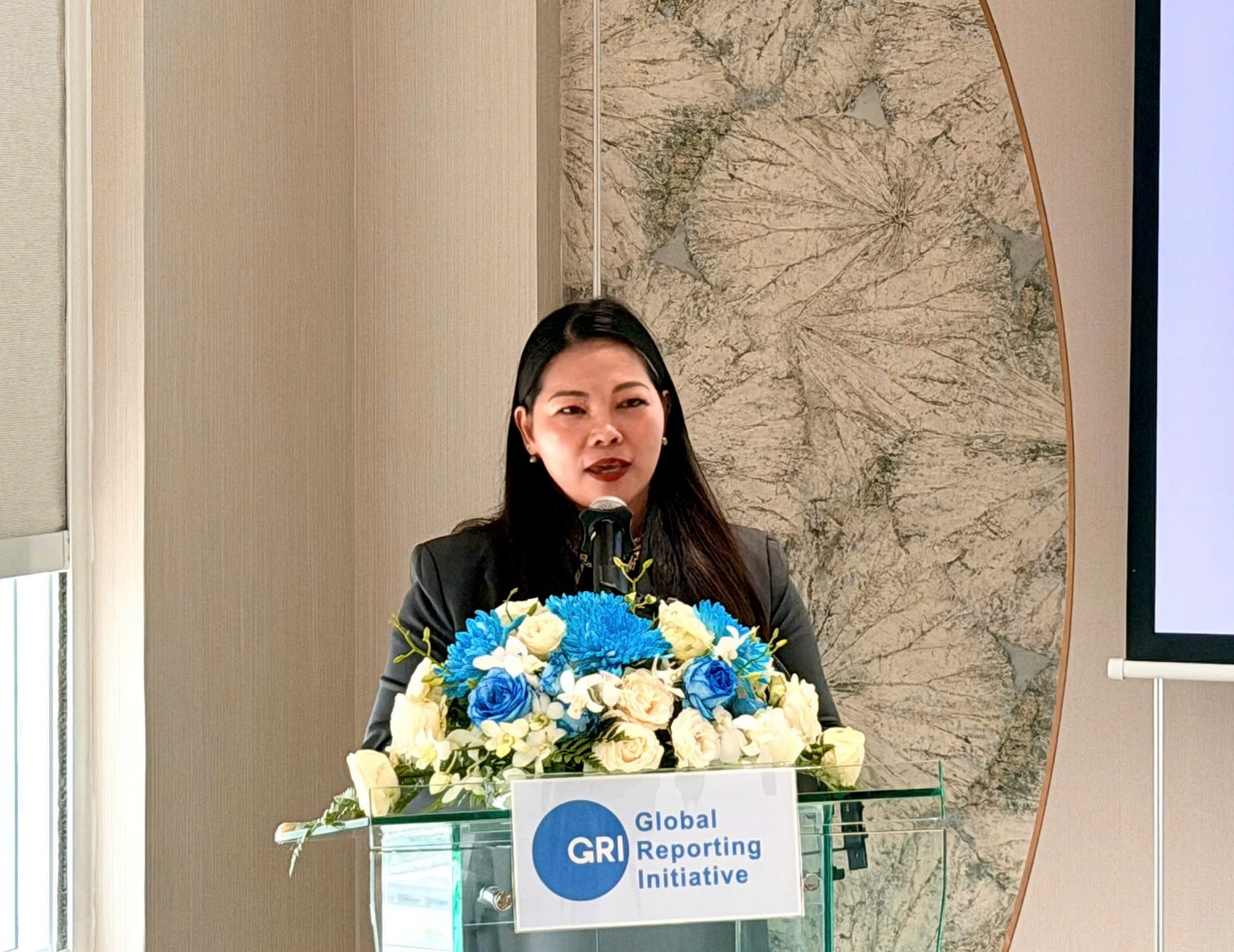
Esther An, GRI Supervisory Boardmember and Director of Sustainable Development at CityDevelopments Limited (CDL),
Accordingly, the objectives of the GRI standards are:
– Officially introducing the Vietnamese translation of the GRI standards to the Vietnamese business community, press, and public.
– Positioning the transparent disclosure of sustainable data through digital platforms as a strategic driver for climate change adaptation and economic growth, while highlighting the benefits in operational efficiency, access to capital, and expansion of global value chains.
– Introduce practical business applications through case studies and expert insights.
– Fostering new partnerships – including through the signing of a Memorandum of Understanding (MOU) for Golden Gate BCE and CAVIDI to join the ASEAN Sustainability & Impact Alliance (ASIA) – aims to expand the scope and impact of sustainable development activities in Vietnam and enhance the competitiveness of Vietnamese businesses internationally (especially in the Agriculture-Food and Construction sectors).
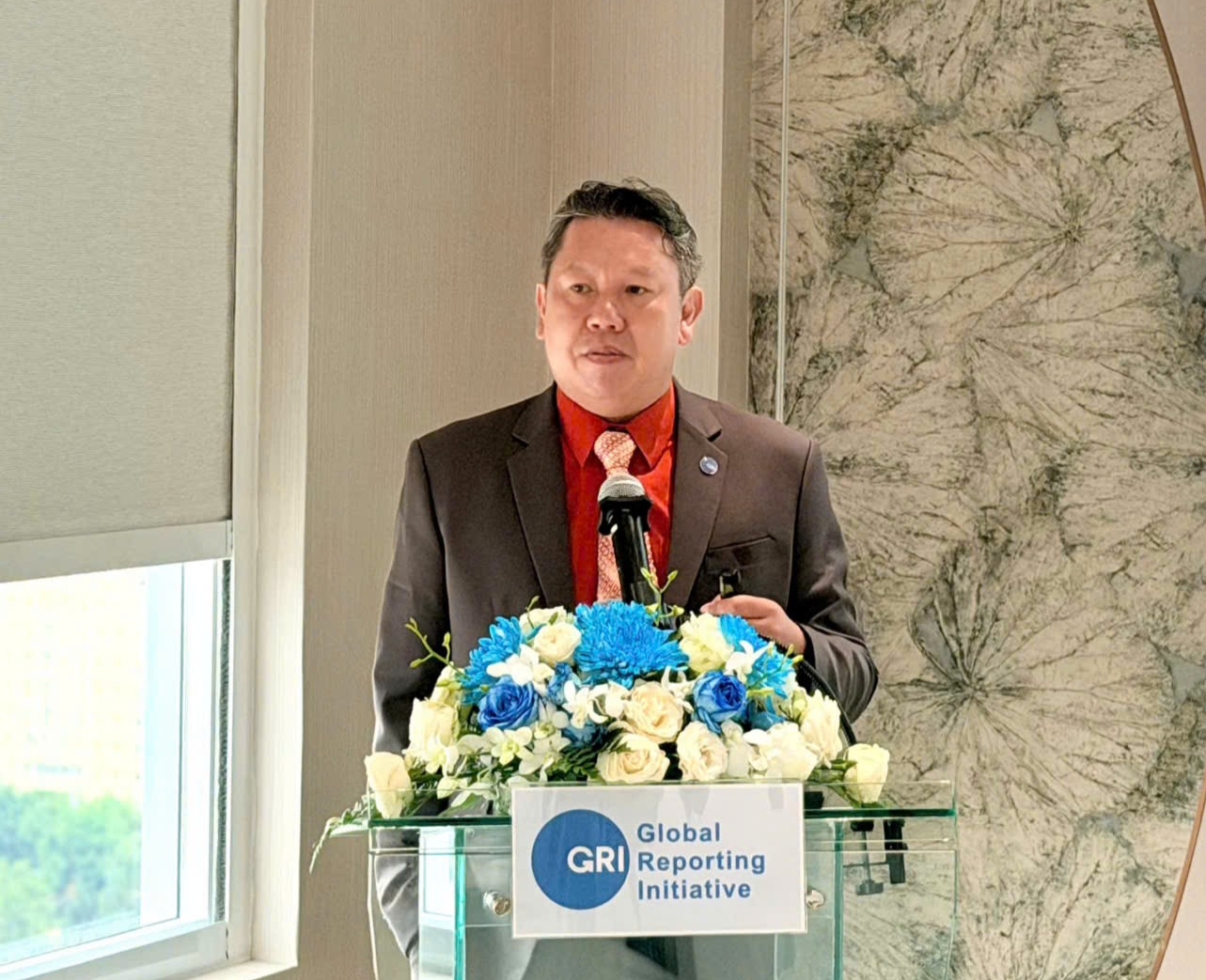
Mr. Nguyen Cong Minh Bao, GRI Country Manager for Vietnam
Speaking at the conference, Esther An, GRI Supervisory Board Member and Director of Sustainable Development at City Developments Limited, said: “Sustainability reporting is more than just disclosing information. It builds trust and helps organizations and stakeholders make better decisions. By providing reliable and comparable information about their impact, businesses can enhance their resilience, attract investment, and improve their competitiveness in an increasingly globalized economy. Therefore, providing the latest GRI Standards in Vietnamese is a crucial step in expanding access to sustainability reporting in a rapidly growing market like Vietnam.”
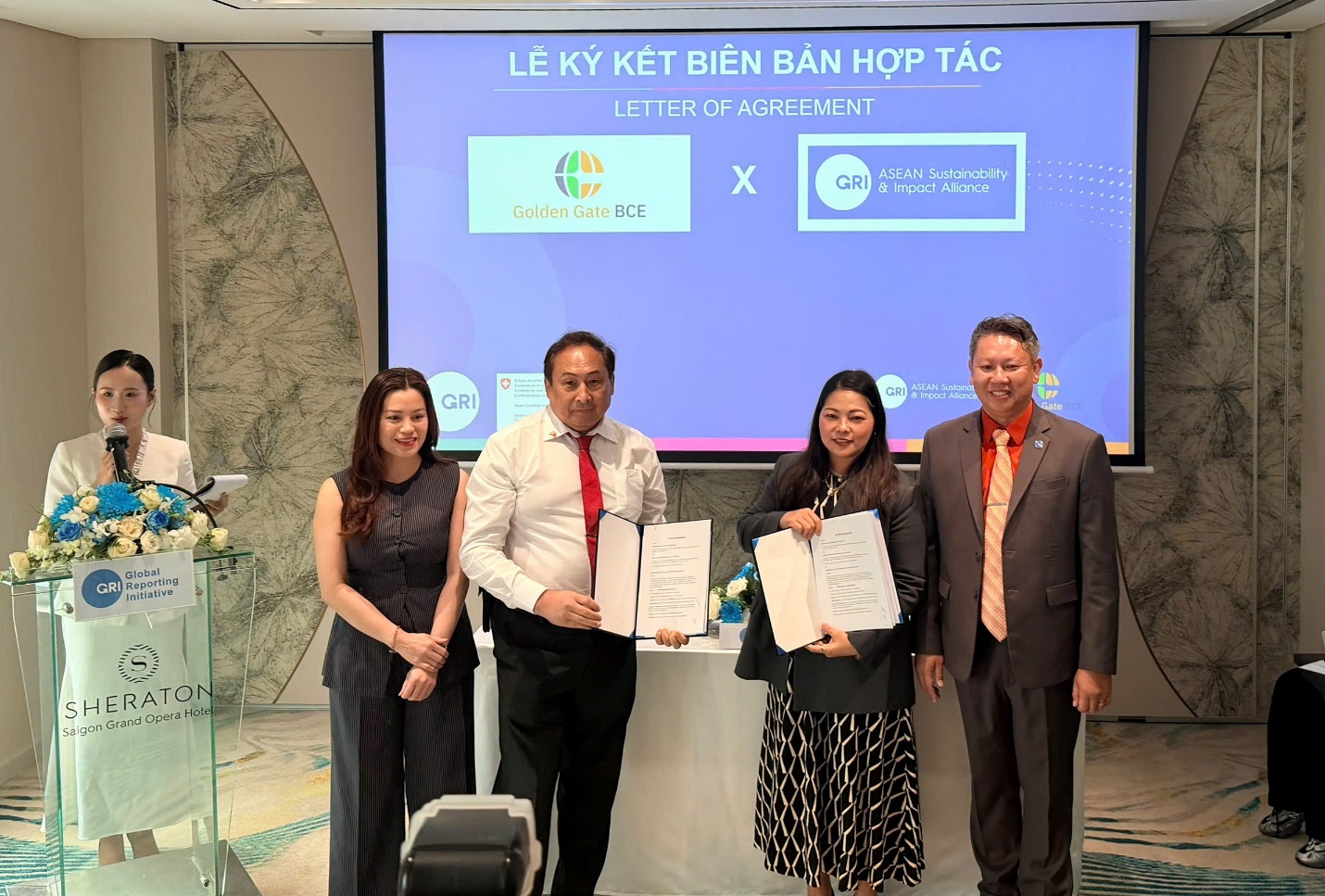
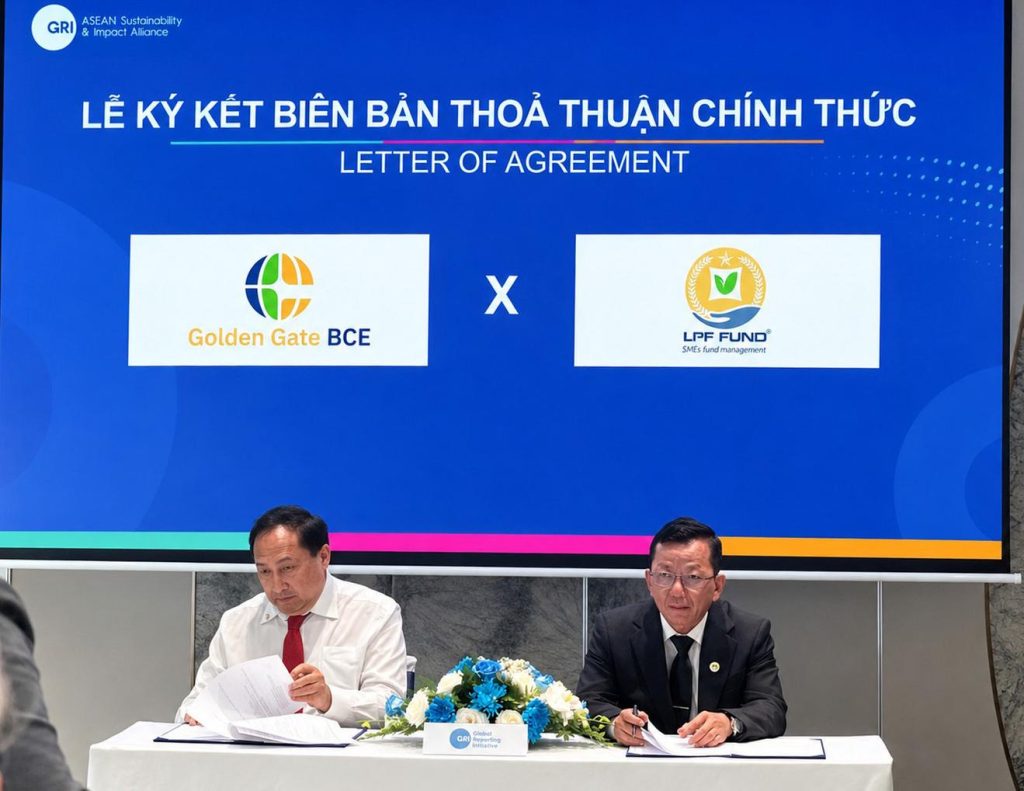
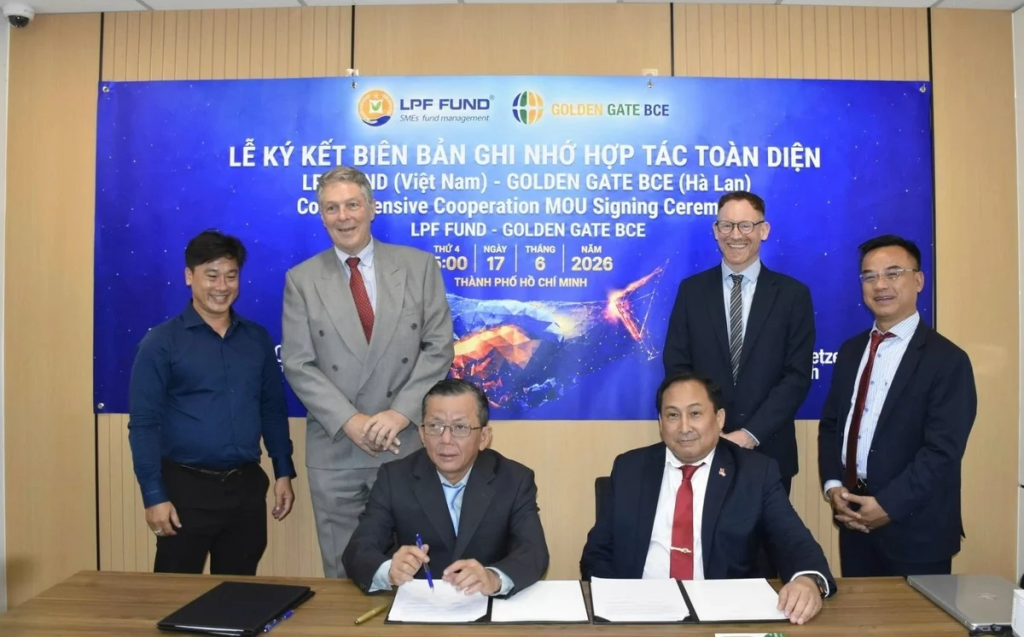
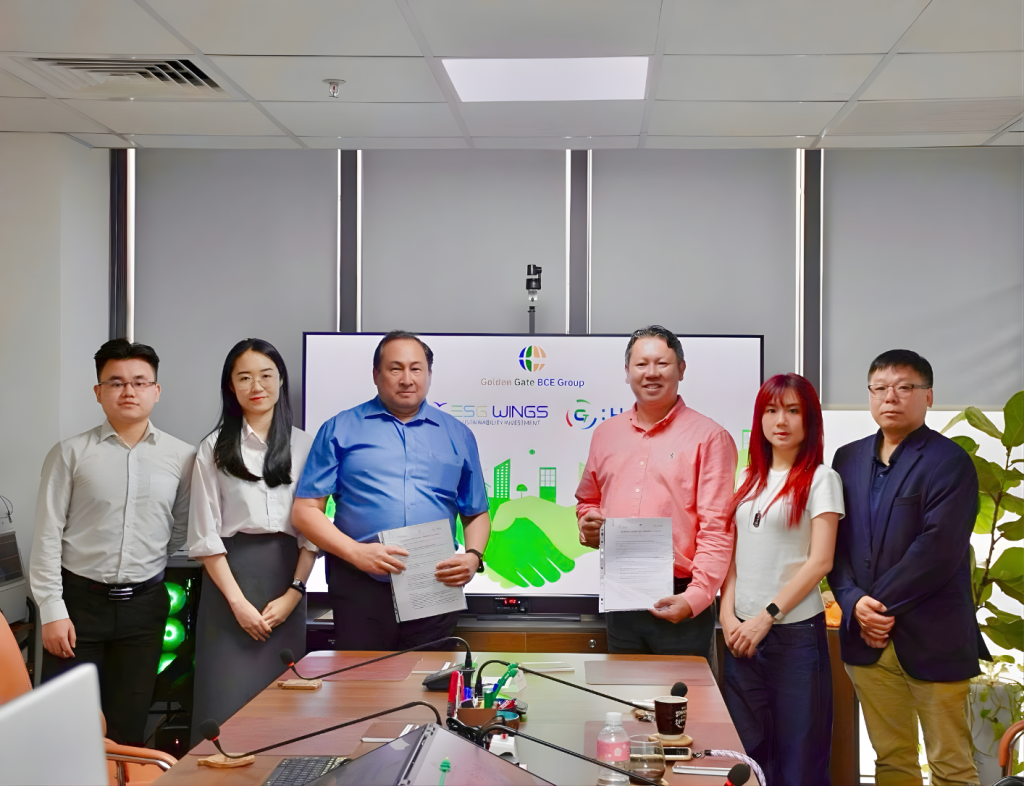
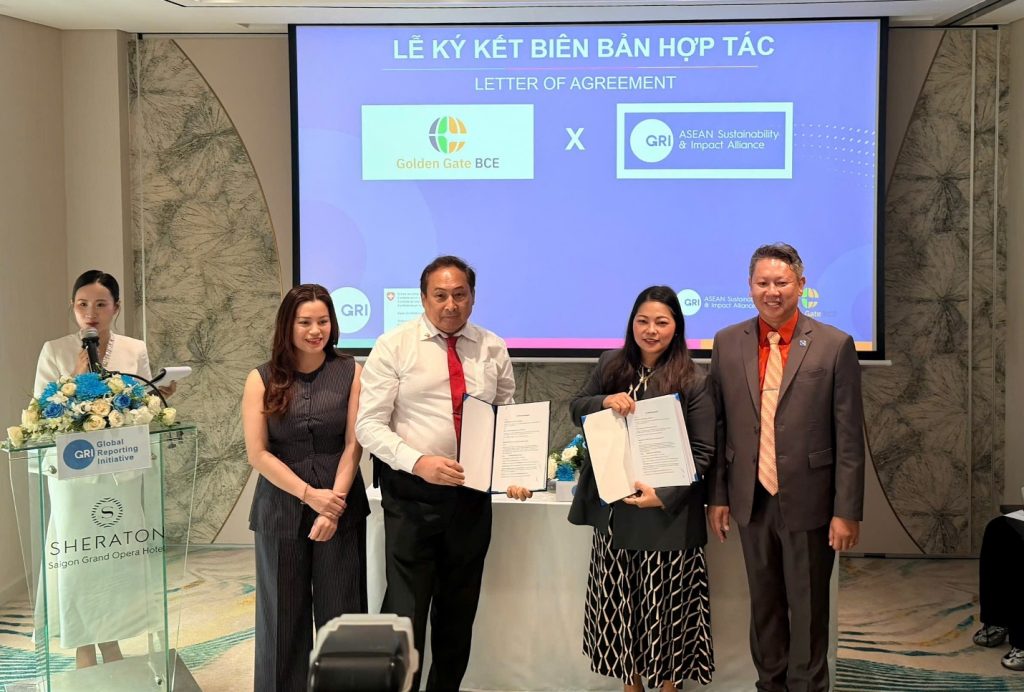
Signing ceremony of the cooperation agreement.
Next, Mr. Nguyen Cong Minh Bao, GRI Country Manager for Vietnam, stated: Sustainable development factors are increasingly shaping investment choices, business decisions, and long-term competitiveness. In Vietnam, we see this translating into growing expectations from investors, lenders, and business partners for globally comparable information regarding an organization’s impact. Therefore, the ability for domestic businesses and stakeholders to access the complete latest GRI Standards in Vietnamese is extremely important.
This announcement comes as Vietnam’s agriculture and food sector faces increasing expectations regarding transparency, traceability, and resilience to climate change. As a major contributor to the country’s exports and economic development, the sector is under growing pressure to meet the evolving demands of the international market. GRI is also expanding its regional cooperation through the ASEAN Sustainability & Impact Alliance. As a new member of the Alliance, Golden Gate BCE Group will contribute its expertise in agriculture and food, supporting the development of more competitive and resilient value chains in Vietnam and Southeast Asia.
In his presentation, Dr. William L. Nolten, Chairman and CEO of Golden Gate BCE Group, emphasized: The future competitiveness of the agro-food industry depends on transparent, traceable, and resilient value chains. Through the GRI Asia Alliance, we aim to strengthen sustainable development actions to support responsible growth and improve access to finance for micro, small, and medium-sized enterprises across the industry.
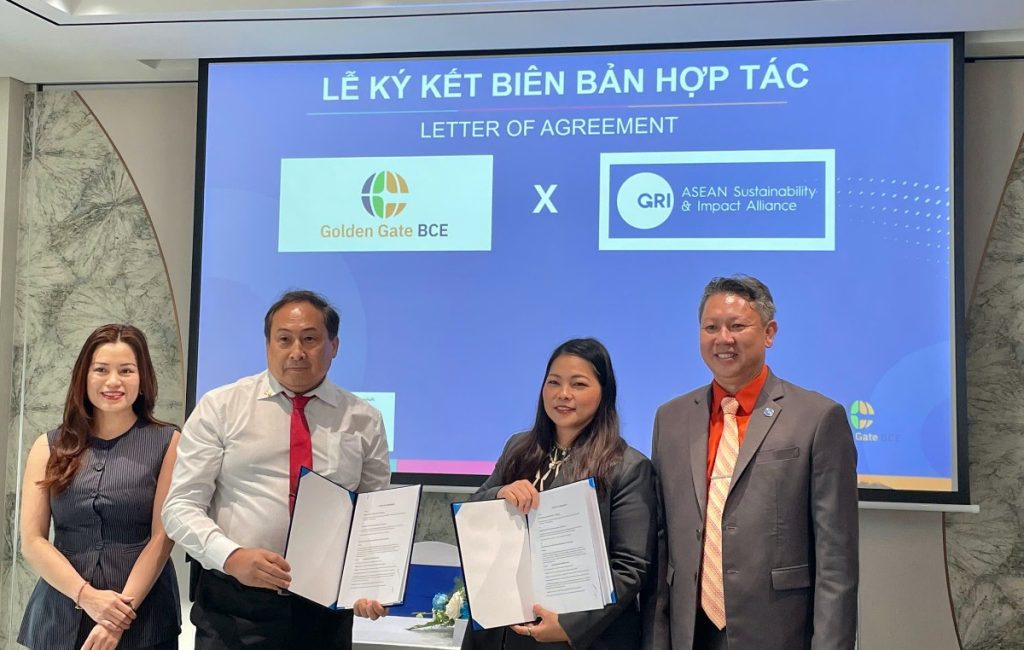
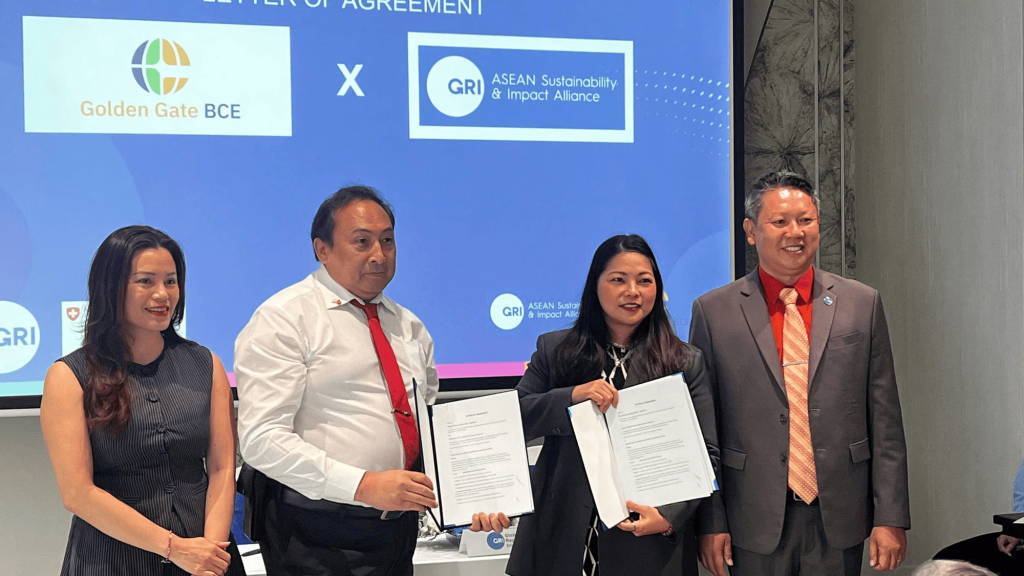
At the launch event for the Vietnamese translation of the GRI standards, a cooperation agreement was signed between companies and organizations such as Golden Gate BCE and GRI, Golden Gate BCE and LPF FUND, etc.
Source : doanhnghieptiepthi.vn
- Northann Corp Enters Strategic Relationship with Rexil Group of Companies Netherlands to Promote Sustainable Technology and Products
- KLC Commercial and ESG WINGS BV collaborate to develop Vietnam’s food and agricultural supply chain
- “Digital Passport” Empowering Vietnamese Agriculture to Enter Global Markets
- The 2026 Vietnam SME/Startup ESG Investor Forum: Navigating Trade Shifts, Climate Risks & Investor Demands
- Award ceremony held for the 10th Annual Student Scientific Research Competition
- Golden Gate BCE Participates in Vietnam–Australia Green Transition Forum 2026 to Advance Low-Carbon Agriculture and Manufacturing