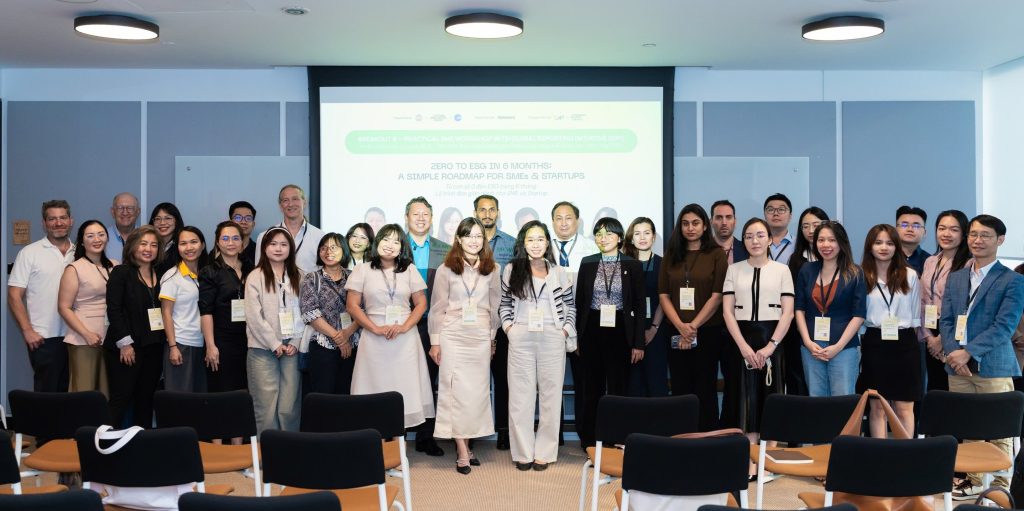
The completion of the Vietnamese translation of the GRI Standards is expected to help businesses, especially small and medium-sized enterprises (SMEs), more easily access international sustainable development reporting standards, thereby enhancing their ability to participate in global supply chains and access green capital sources…
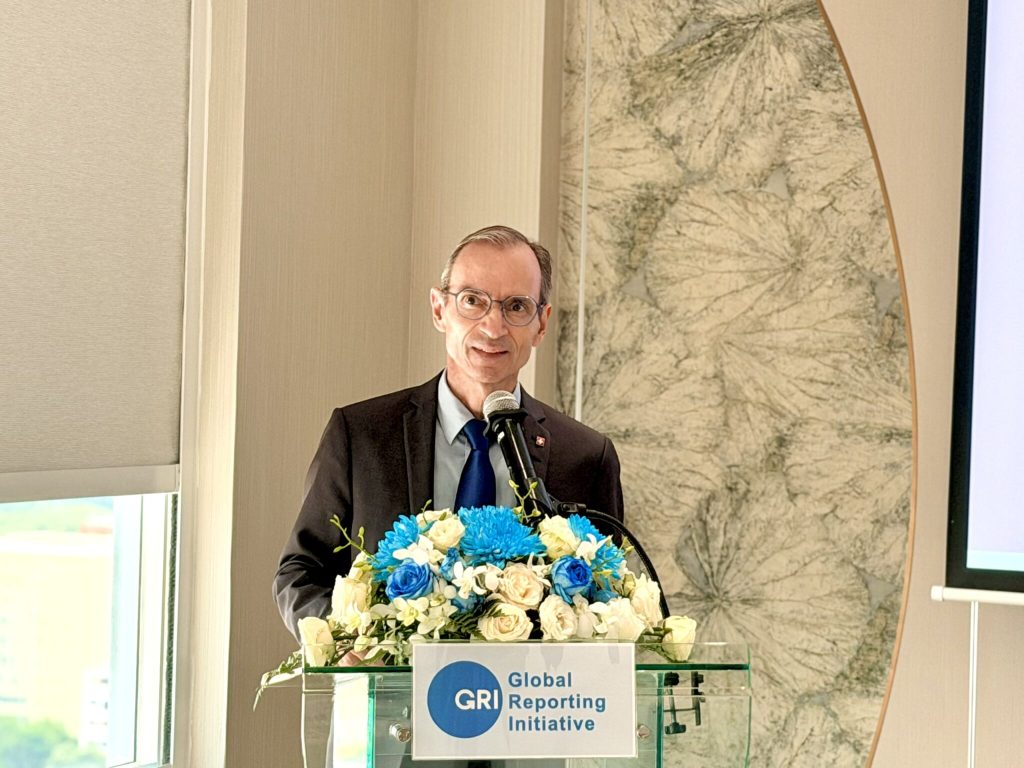
At the event announcing the latest Vietnamese version of the GRI Standards, held on July 29th in Ho Chi Minh City, representatives from the Global Reporting Initiative (GRI) stated that the entire GRI Standards series , including Universal Standards, Sector Standards, and Topic Standards, has now been translated into Vietnamese and is available free of charge.
According to GRI, localizing the world’s most widely used sustainable development reporting standard will help Vietnamese businesses identify, manage, and disclose significant economic, environmental, and social impacts in accordance with international practices.
This is seen as a step towards expanding access to sustainable development reporting in Vietnam, in the context of increasing requirements for information transparency, traceability, and ESG standards becoming essential conditions for participation in global value chains.
SMEs NEED TO HAVE “BARRIERS REMOVED” TO GET STARTED.
According to Esther An, a member of the GRI Supervisory Board, sustainability reporting is not simply about disclosing information, but also helps businesses build trust with investors and stakeholders.
“By providing reliable and comparable information about their impacts, businesses can enhance their resilience, attract investment, and increase their competitiveness in the global economy,” Esther An stated.
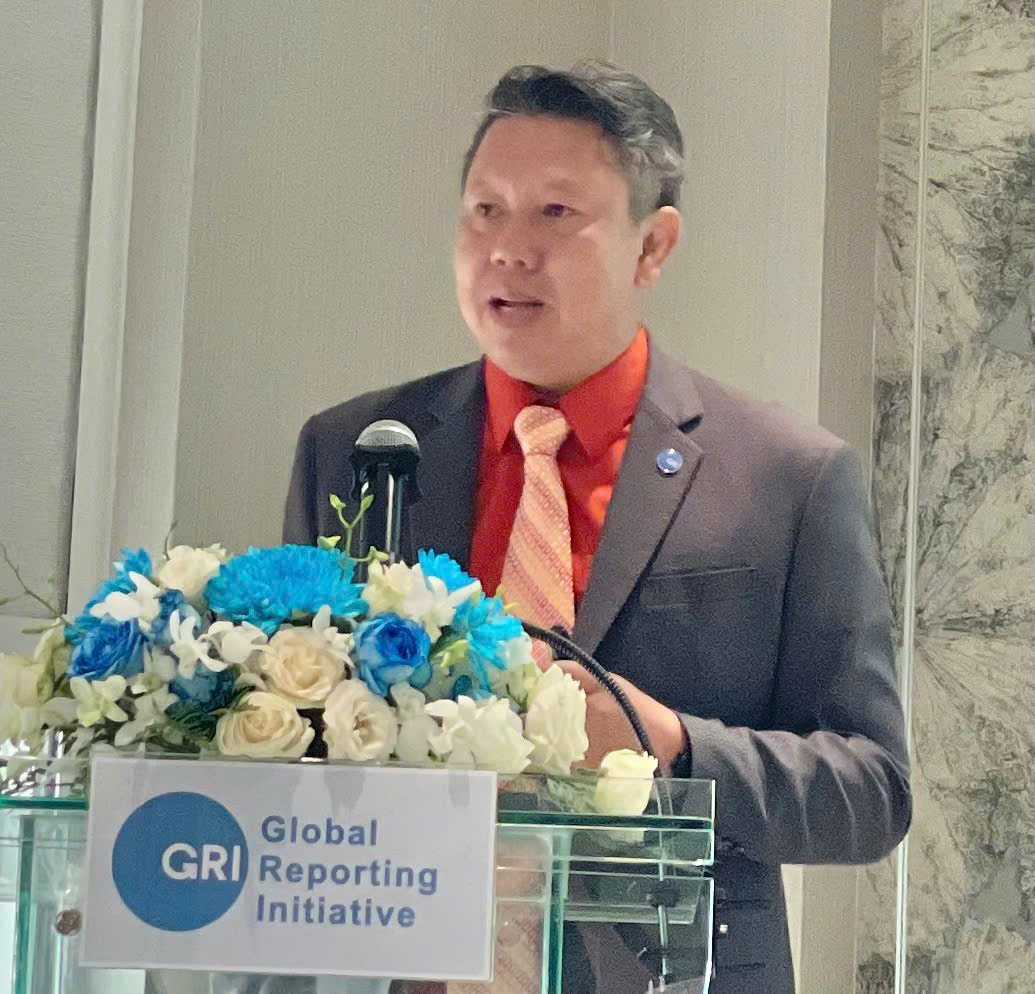
Translating the GRI Standards into Vietnamese is one of the solutions that helps businesses more easily access the requirements for sustainable development.
Alongside the translation process, we also conduct a comparison between current Vietnamese legal regulations and the requirements of the GRI Standard. Our goal is to help businesses understand how domestic regulations are linked to international standards.
Speaking to VnEconomy , Mr. Nguyen Cong Minh Bao, Country Director of GRI Vietnam, said that sustainable development is increasingly directly influencing investment decisions, credit granting activities, and partner selection in the supply chain. This has led to a growing need for data that is comparable to international standards.
According to Mr. Bao, the biggest obstacle for small and medium-sized enterprises lies not only in the lack of resources but also in the complexity of international standards systems.
“When it comes to sustainable development, businesses encounter many terms such as CBAM, CSRD, EUDR , or standards like GRI, ISSB, ESRS … This leaves many businesses unsure where to begin,” he said.
He noted that the value of the translation lies not simply in translating the text into Vietnamese, but also in comparing the requirements of the GRI Standard with Vietnam’s current regulatory system.
“Businesses will understand that applying GRI is not only for preparing sustainability reports but also helps meet domestic regulations and enhance competitiveness when participating in international markets,” Mr. Bao emphasized.
UNLOCKING GREEN CAPITAL FOR VIETNAMESE SMEs
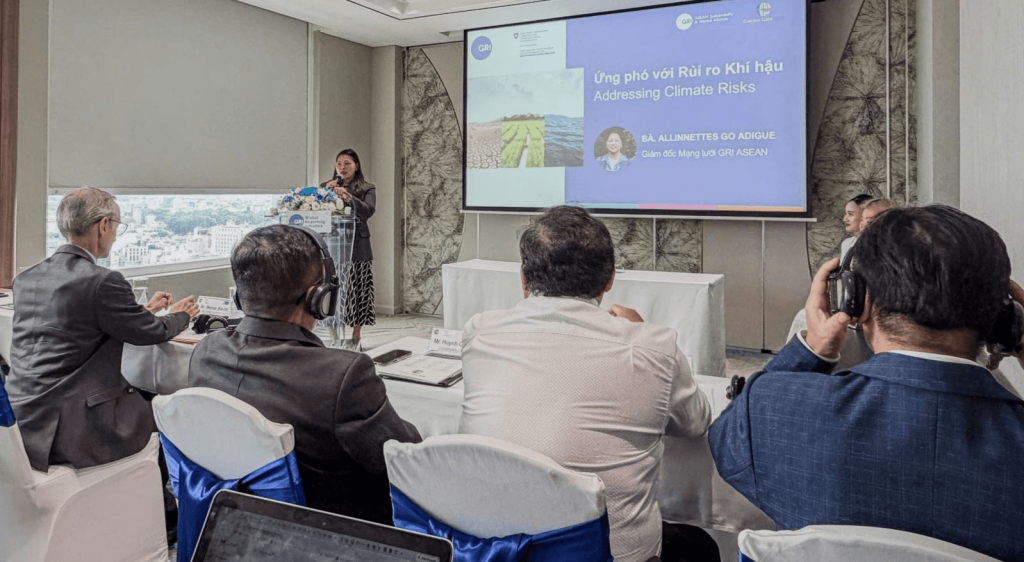
From a regional perspective, Dr. Allinnettes Adigue , Director of the ASEAN Network at GRI, argues that Vietnam’s challenges are also a common reality for ASEAN economies, where small and medium-sized enterprises (SMEs) constitute the majority.
According to Ms. Adigue, the majority of SMEs have not implemented sustainability reporting not because of a lack of willingness, but due to three main barriers: limited resources, the absence of mandatory requirements, and a lack of dedicated personnel.
“In small businesses, one person might simultaneously be the CEO, in charge of business, operations, and finance. It’s difficult for them to dedicate extra time to developing a sustainability report,” she explained.
She stated that instead of viewing sustainability reporting as a compliance requirement, SMEs should start by identifying the biggest risks to their business operations.
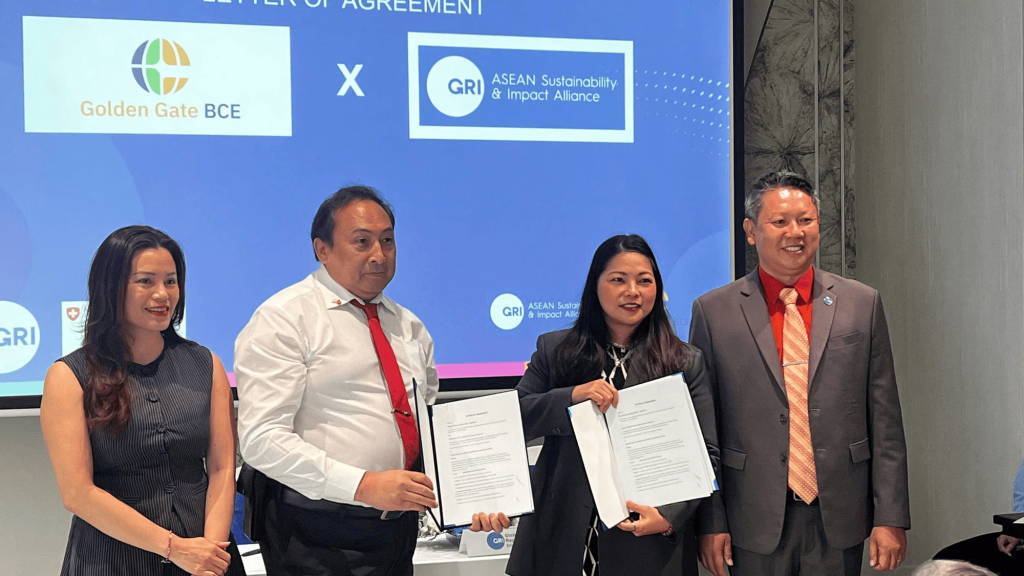
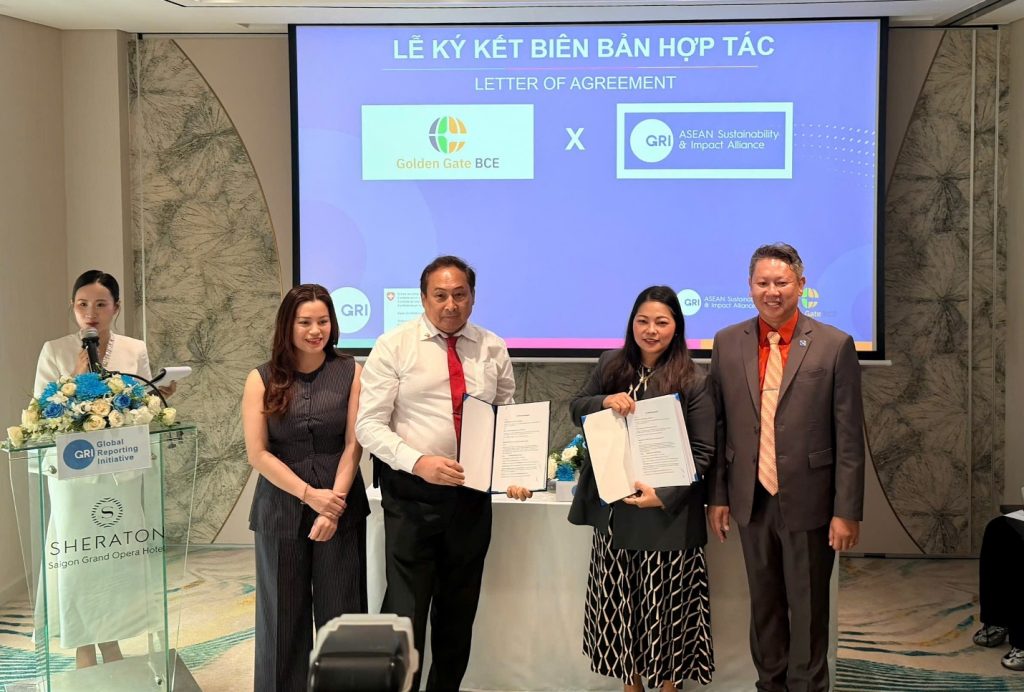
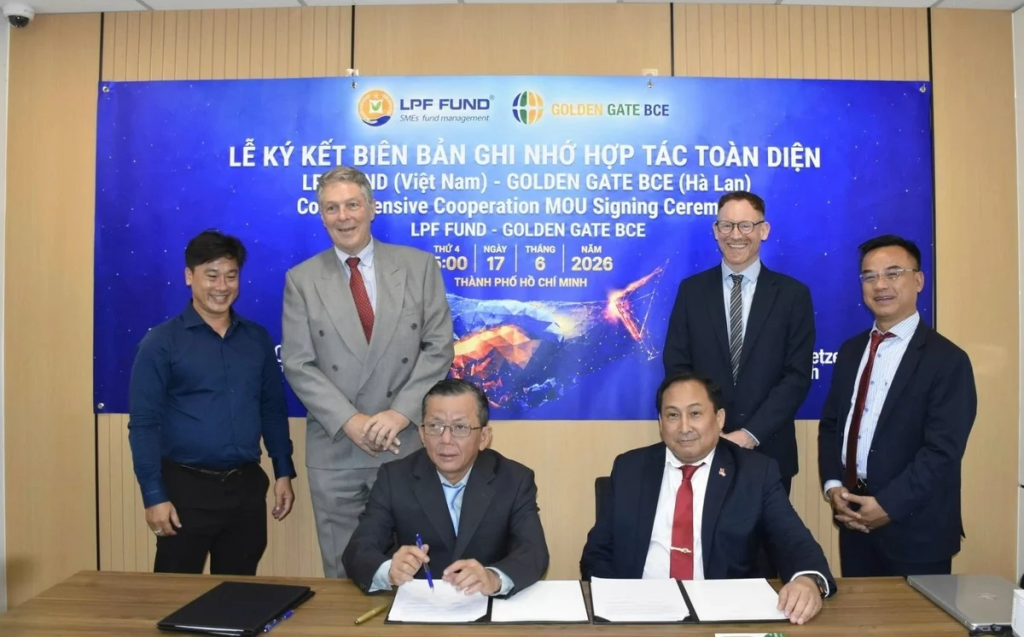
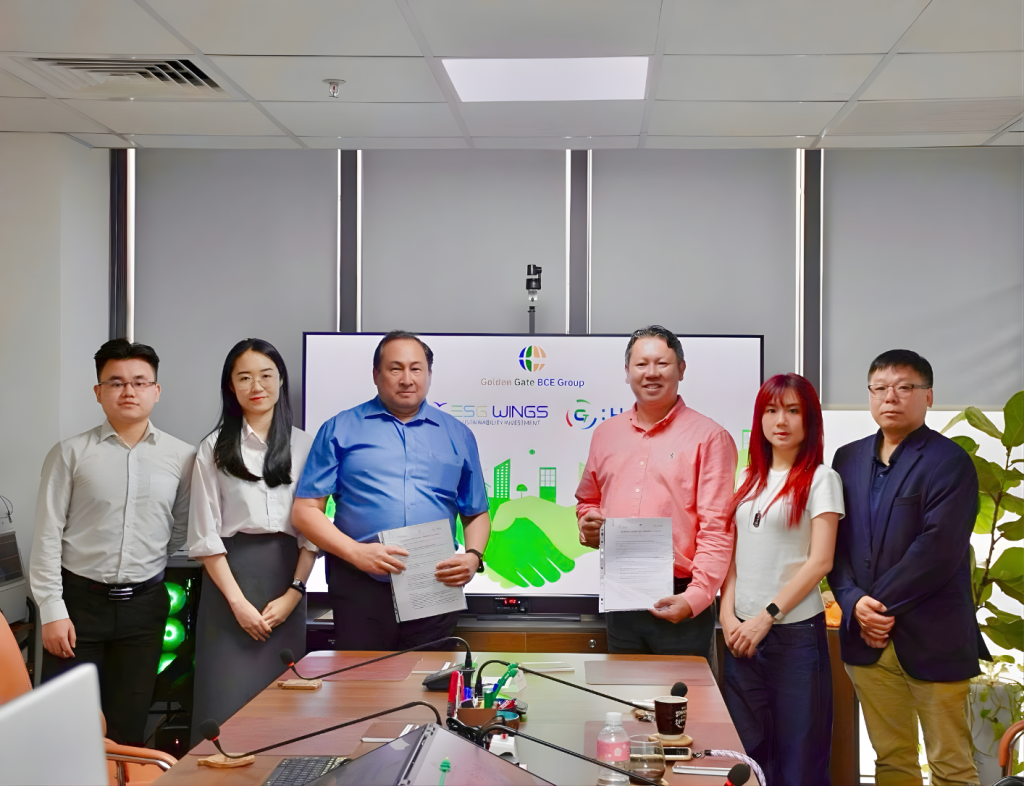
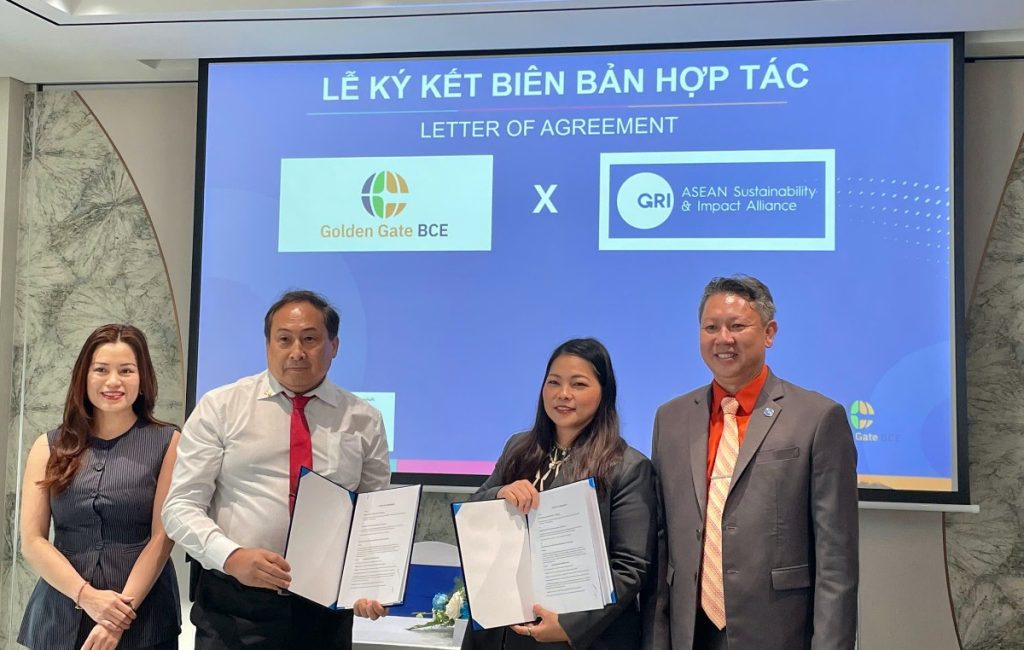
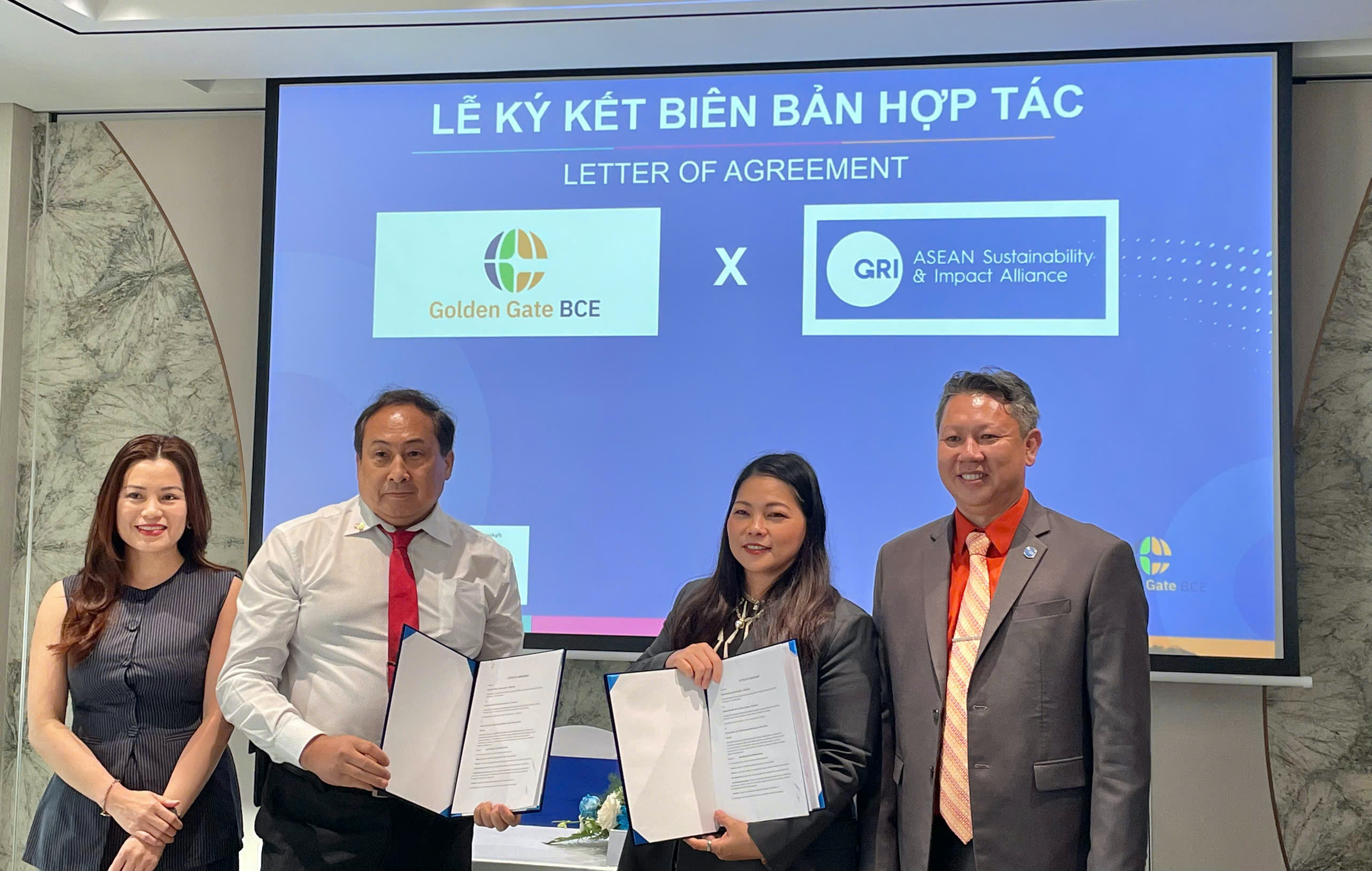
At the event, GRI signed a cooperation agreement through the ASEAN Sustainable Development and Impact Alliance with Golden Gate BCE. Golden Gate BCE will become a new member of the alliance, focusing on promoting more transparent and resilient agricultural and food value chains in Vietnam.
Dr. William L. Nolten , Chairman and CEO of Golden Gate BCE, noted that Vietnamese agriculture is facing increasing pressure from climate change as well as international market demands for traceability and sustainable development.

Vietnam currently accounts for only about 1% of global cocoa production, while only about 5% of that is used to produce premium chocolate for Belgian brands.
However, this sector still has the potential to generate significant added value if developed sustainably and targeting the premium chocolate segment . If developed sustainably, Vietnam can fully participate in this high-value segment, creating momentum for building brands for both Vietnamese cocoa and coffee in the international market.
He stated that Golden Gate BCE is developing solutions to mitigate climate risks for crops, thereby making it easier for farmers and businesses to access capital.
Taking the cocoa industry as an example, Dr. Nolten stated that Vietnam currently accounts for only about 1% of global cocoa production . However, this remains a sector with significant potential for value creation if developed sustainably and targeting the premium chocolate segment.
According to him, building a transparent value chain that meets sustainable development standards will not only enhance the value of Vietnamese cocoa beans but also contribute to building a national brand. This model can be fully expanded to other agricultural products, especially coffee.
“If done well, Vietnam could accelerate its path towards net-zero emissions instead of waiting until 2050, while also enhancing the position of its agricultural products in the international market,” William commented.
Golden Gate BCE announced that it has currently raised approximately $210 million to implement pilot projects. Although the scale of funding is still modest compared to the needs of the entire industry, these projects will help demonstrate the feasibility of the sustainable agricultural development model in Vietnam, creating a basis for scaling up in the future.
According to GRI, expanding the sustainable development reporting ecosystem through localized standards, training programs, and regional cooperation will help Vietnamese businesses, especially SMEs, gradually meet international “green” standards, enhance their competitiveness, and participate more deeply in global value chains.
GRI (Global Reporting Initiative) is an international non-profit organization that developed the GRI Standards – a set of sustainable development reporting standards widely used around the world.
In Southeast Asia, GRI operates through a regional network based in Singapore and is implementing the STAR Accelerator Program in Vietnam, in collaboration with the Department of Private and Collective Economic Development (Ministry of Finance), to support small and medium-sized enterprises (SMEs) in accessing sustainable development reporting tools, enhancing their ability to participate in global markets, and accessing sustainable financing.
Source : vneconomy.vn
- Northann Corp Enters Strategic Relationship with Rexil Group of Companies Netherlands to Promote Sustainable Technology and Products
- Golden Gate BCE Participates in GEFE 2024: A New Step in Our Mission for Sustainable Development
- Golden Gate BCE and KLC Group signed a comprehensive strategic cooperation agreement
- LPF FUND connects international green capital flows for sustainable development projects.
- Factory Visit to Promote Sustainable and Low-Carbon Export Manufacturing
- KLC Commercial and ESG WINGS BV collaborate to develop Vietnam’s food and agricultural supply chain