The Vietnamese translation of the Global Reporting Initiative (GRI) Standards is expected to help enterprises, particularly small and medium-sized enterprises (SMEs), more easily access the “common language” of international markets and global capital flows in the ESG era.
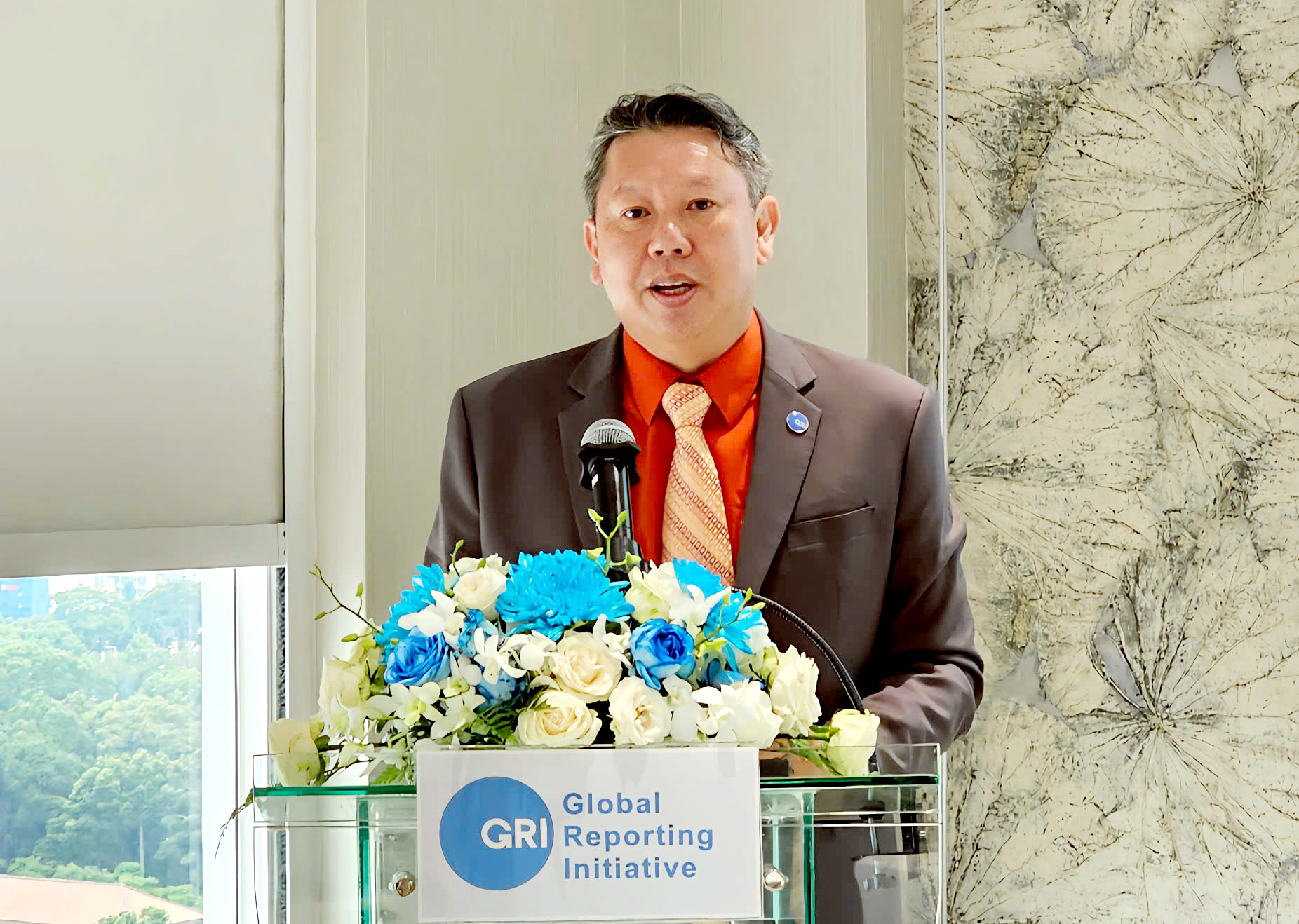
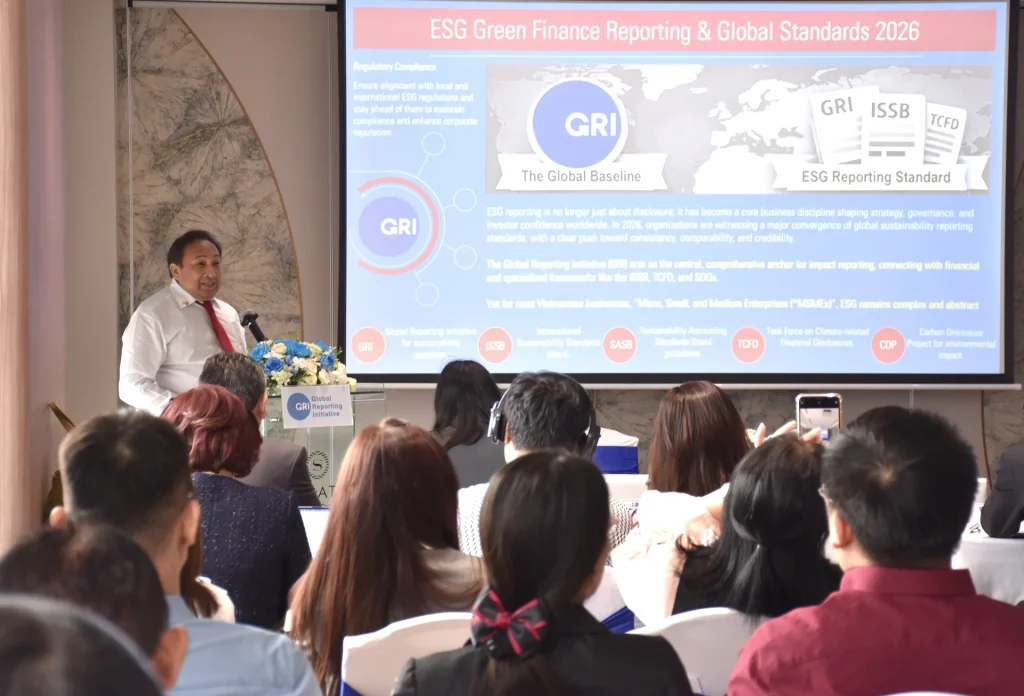
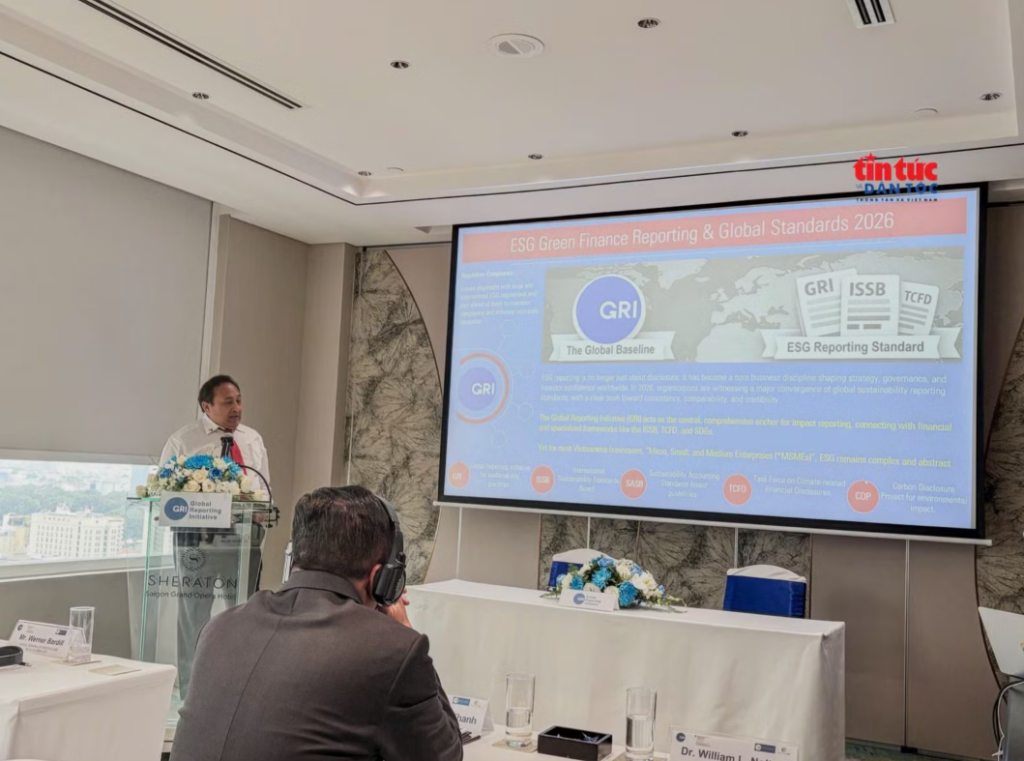
On July 29, the Global Reporting Initiative (GRI) officially announced the latest Vietnamese version of the GRI Standards, including the Universal Standards, Sector Standards, and Topic Standards.
GRI is the world’s most widely used sustainability reporting framework, providing detailed guidance for enterprises to make transparent their economic, environmental (E), social (S), and governance (G) impacts.
Small and Medium-Sized Enterprises Are the Priority for Support
According to GRI Vietnam, SMEs account for approximately 98% of the total number of businesses nationwide but often face resource constraints when implementing ESG-related activities and sustainability reporting.
Mr. Nguyen Cong Minh Bao, Head of GRI Vietnam, stated that having the entire set of GRI Standards translated into Vietnamese will help domestic enterprises, especially SMEs, more easily access the international reporting framework.
“Alongside the translation, GRI is also rolling out training programs, technical guidance, and knowledge sharing to assist enterprises in building sustainability reporting capacity,” he said.
Sharing further with Tuoi Tre, Mr. Bao noted that the greatest barrier for small and medium-sized enterprises is not a lack of data, but not knowing how to organize and utilize data.
From working realities, approximately 80% of the information required for sustainability reporting already exists within enterprises, but it is scattered across various departments such as human resources, finance, production, or procurement.
“What enterprises need to do is change their management mindset, consolidate this data into a unified system, and apply international standards like GRI to translate it into a ‘common language’ that global investors, customers, and partners can understand and compare,” he explained.
Speaking at the event, Mr. Huynh Quoc Khanh, Chairman of the Board of Members and Chief Executive Officer (CEO) of LPF Fund Co., Ltd., observed that every development era of a country requires a common language to connect with the world.
“Previously, that language was product quality. Today, that language also encompasses transparency, accountability, and sustainable development,” he emphasized.
Signing a 210 Million Euro Capital Package for the Green Transition of Vietnamese Agriculture
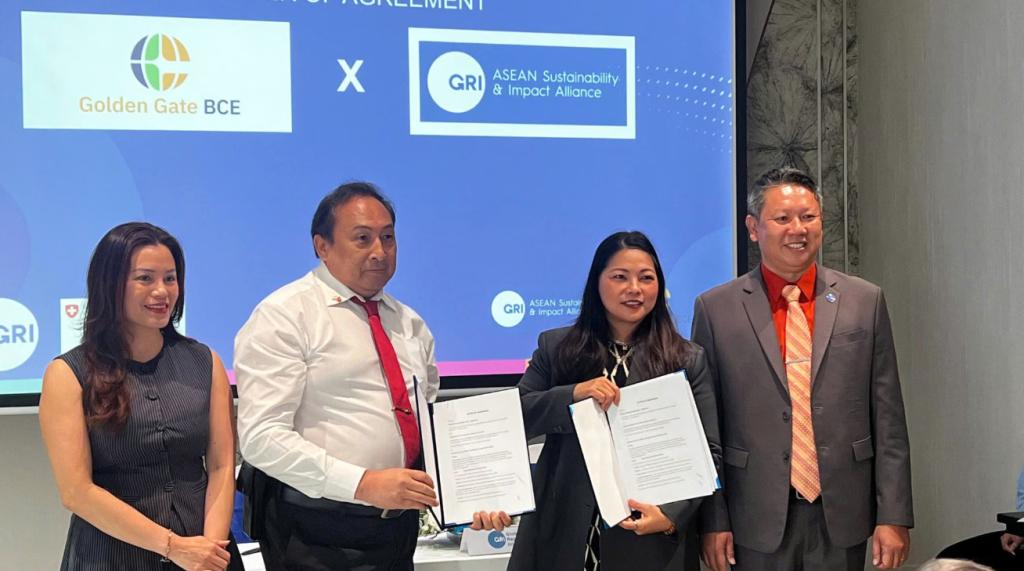
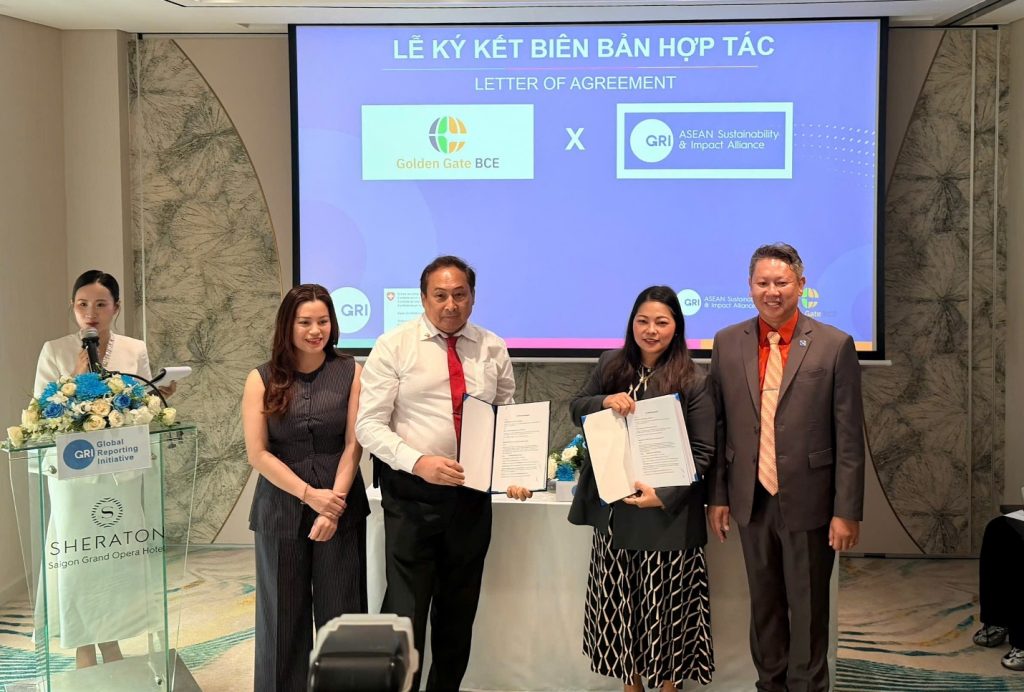
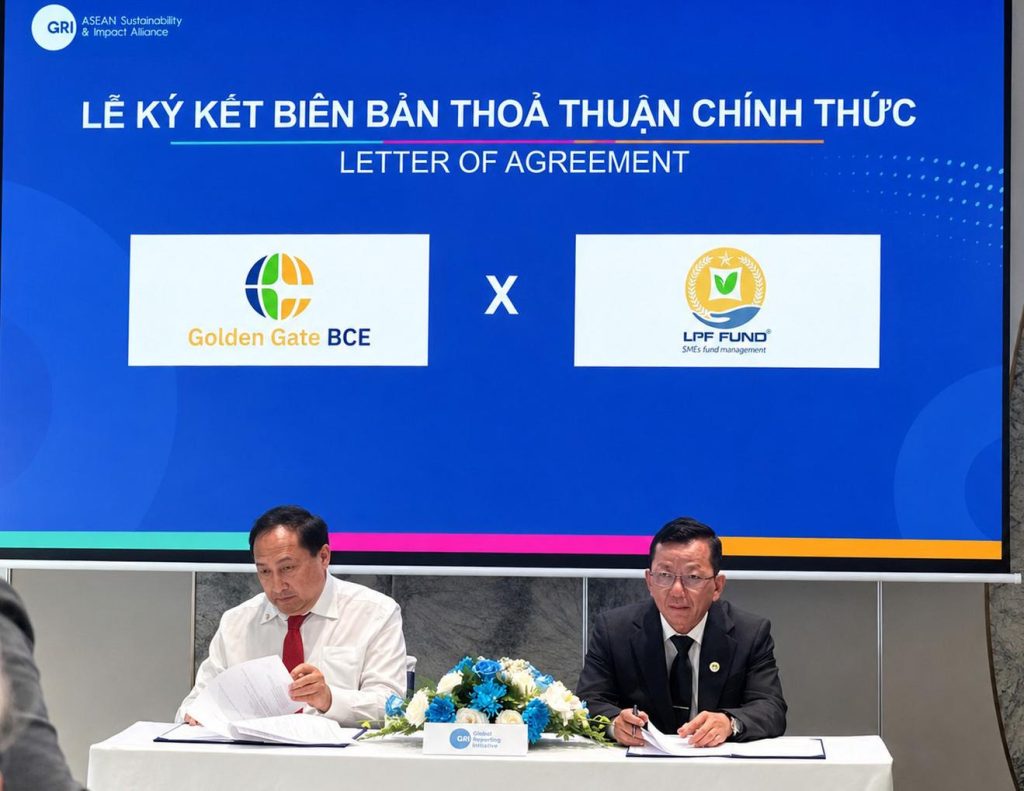
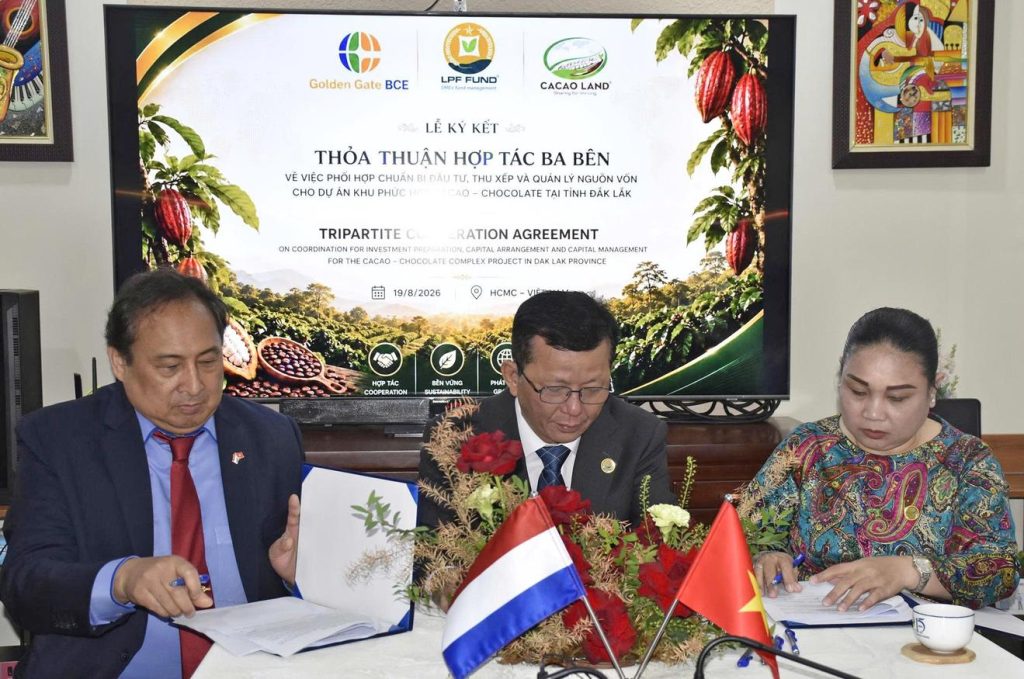
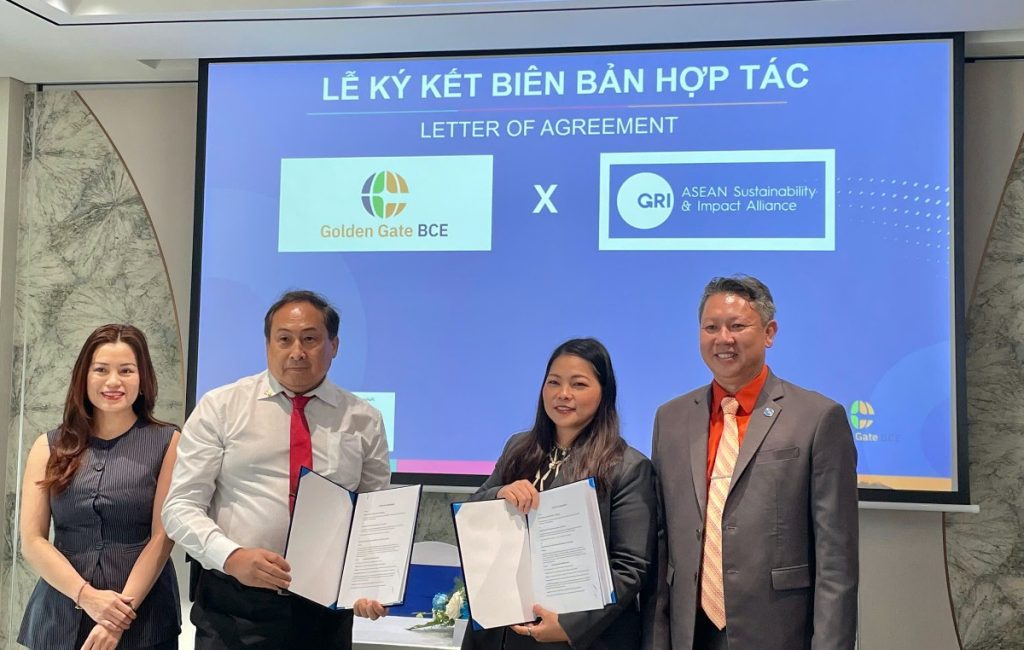
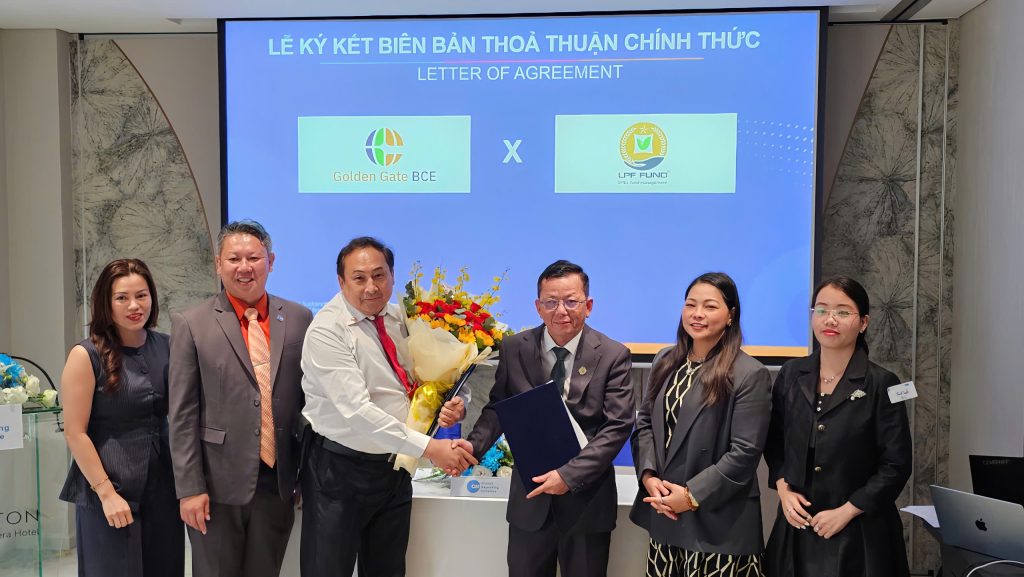
Within the framework of the event, Golden Gate BCE signed an official memorandum of agreement with LPF Fund under the witness of representatives from GRI, Green Transition, and PlanetZero.Earth.
Accordingly, Golden Gate BCE and LPF Fund agreed on a funding source with a total scale of EUR 210 million to support Vietnamese enterprises in implementing green transition projects, fulfilling sustainable development standards, and enhancing competitiveness in international markets.
This capital source targets enterprises seeking to invest in emission reductions, circular economy, clean energy, and ESG initiatives, contributing to driving the green transition of the domestic enterprise sector through diverse investment mechanisms.
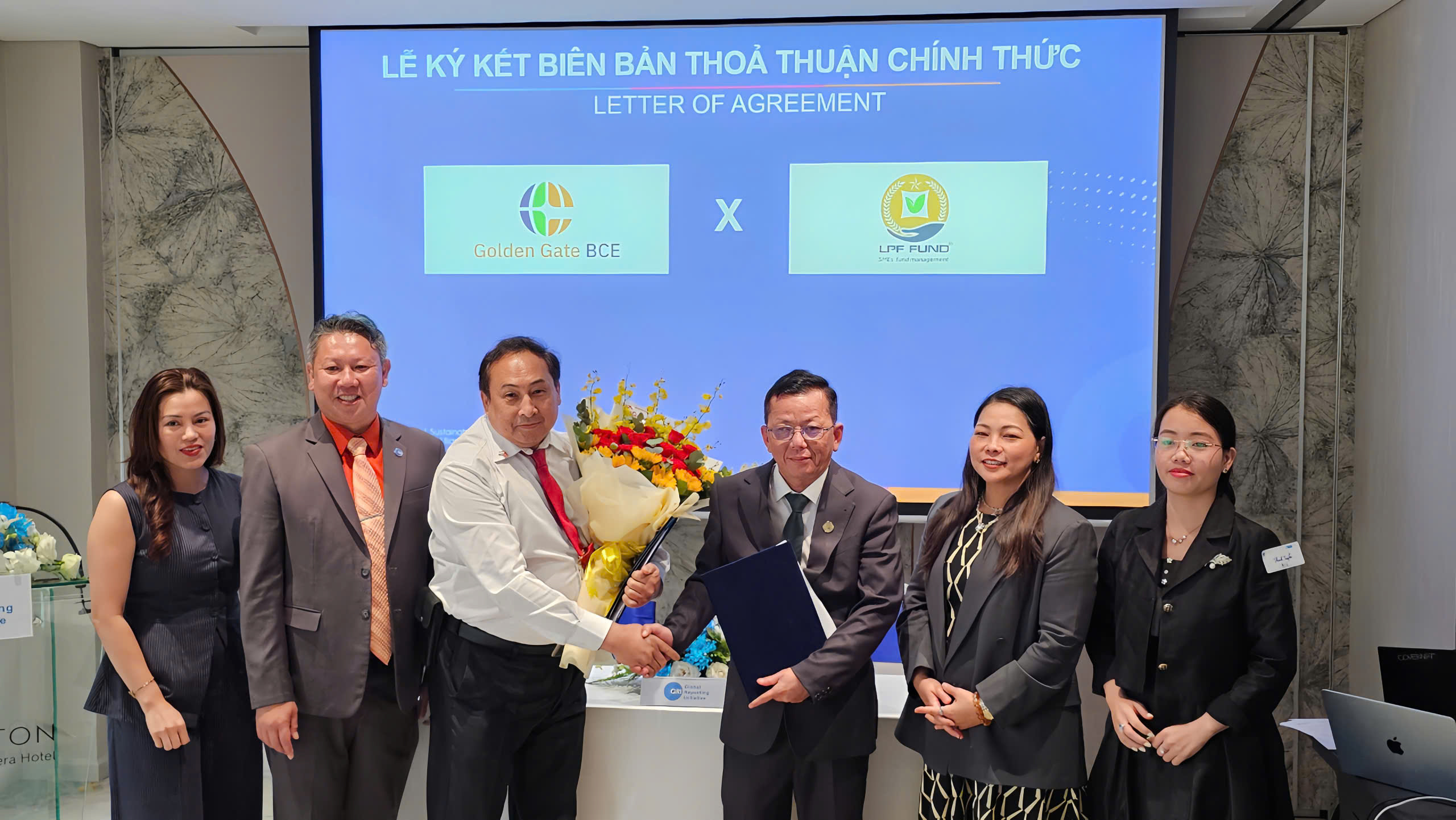
Golden Gate BCE and LPF Fund sign an official memorandum of agreement on the EUR 210 million capital package in the agri-food sector – Photo: TRUONG LINH
Dr. William L. Nolten, Chairman and CEO of Golden Gate BCE Group, stated that the future competitiveness of the agri-food sector will depend on transparent, traceable value chains that maintain resilience against volatility.
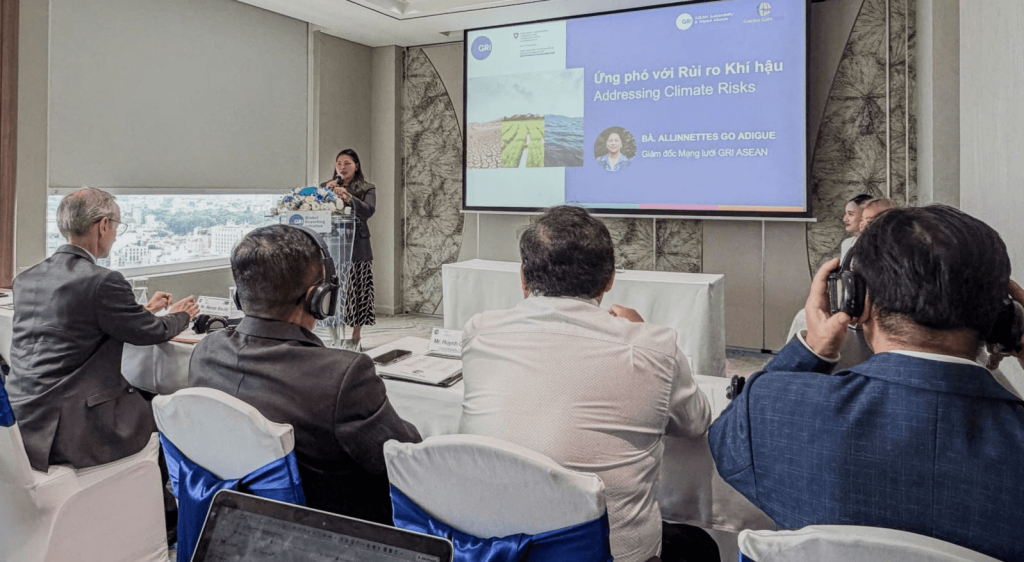
Dr. Allinnettes Adigue, Head of the ASEAN Regional Hub at GRI, emphasized that 79% of institutional investors consider climate risk information to be just as important as financial information when making decisions regarding enterprises.
Mr. Werner Bardill, Consul General of Switzerland in Ho Chi Minh City, noted that global value chains are currently shaped increasingly by requirements for transparency, sustainable development, and responsible business conduct.
“Through economic cooperation programs, Switzerland commits to continuing its support in building favorable conditions for the private sector to enhance competitiveness, foster innovation, and achieve sustainable development,” he affirmed.
- Northann Corp Enters Strategic Relationship with Rexil Group of Companies Netherlands to Promote Sustainable Technology and Products
- Golden Gate bce at ANUGA 2025 – Strengthening Vietnamese Agricultural Partnerships in Europe
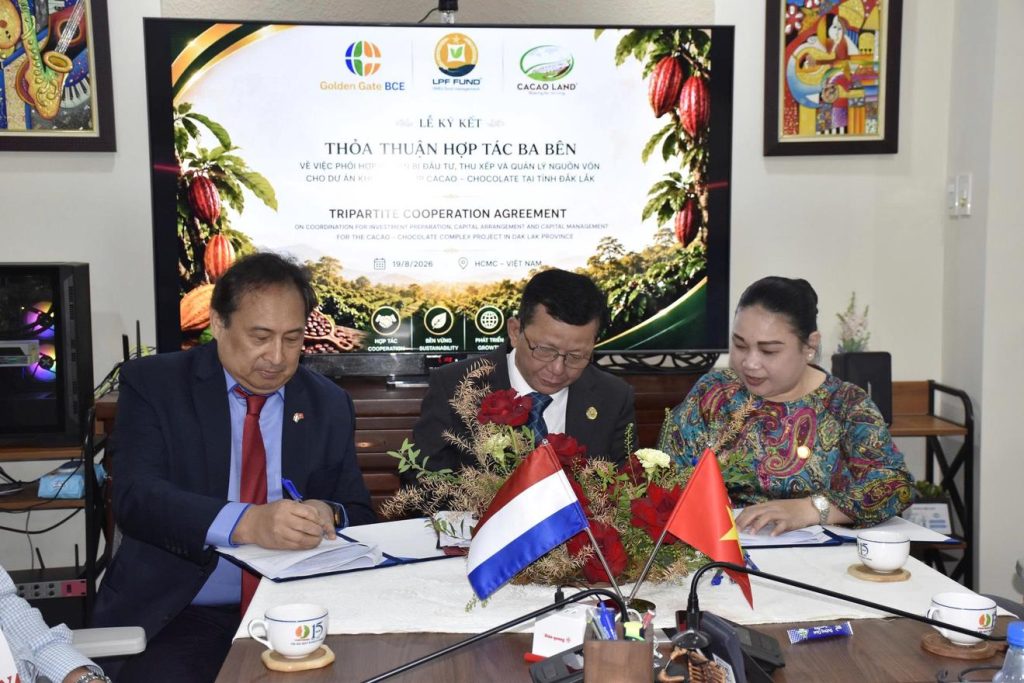
- LPF FUND, GOLDEN GATE BCE, and CACAO LAND Cooperate to Develop Cacao – Chocolate Project in Dak Lak
- KLC Commercial and Rexil Asia sign bilateral cooperation agreement
- GRI 2026 Announcement Event: Green Passport for Vietnamese Enterprises
- Golden Gate BCE and KLC Group signed a comprehensive strategic cooperation agreement