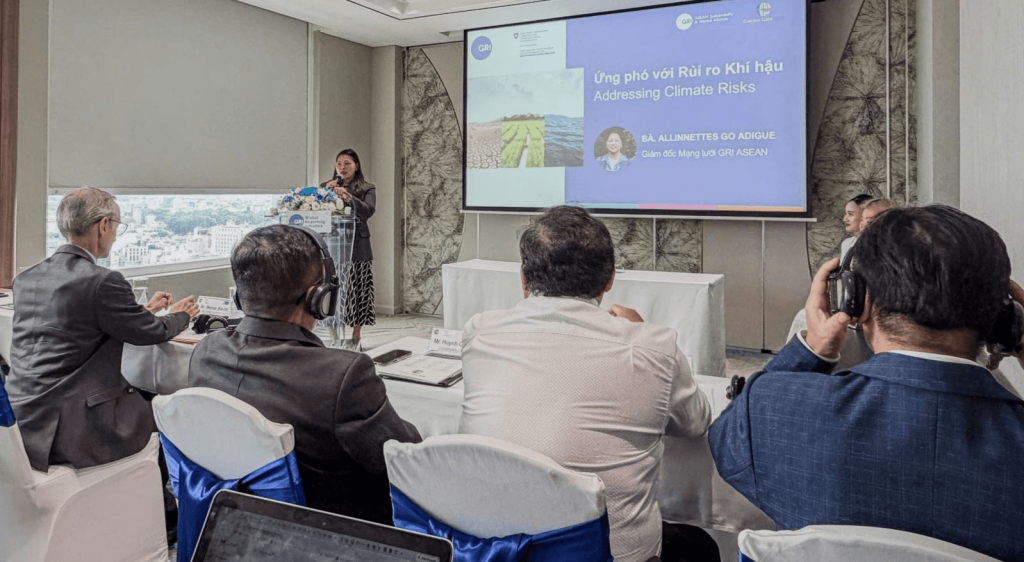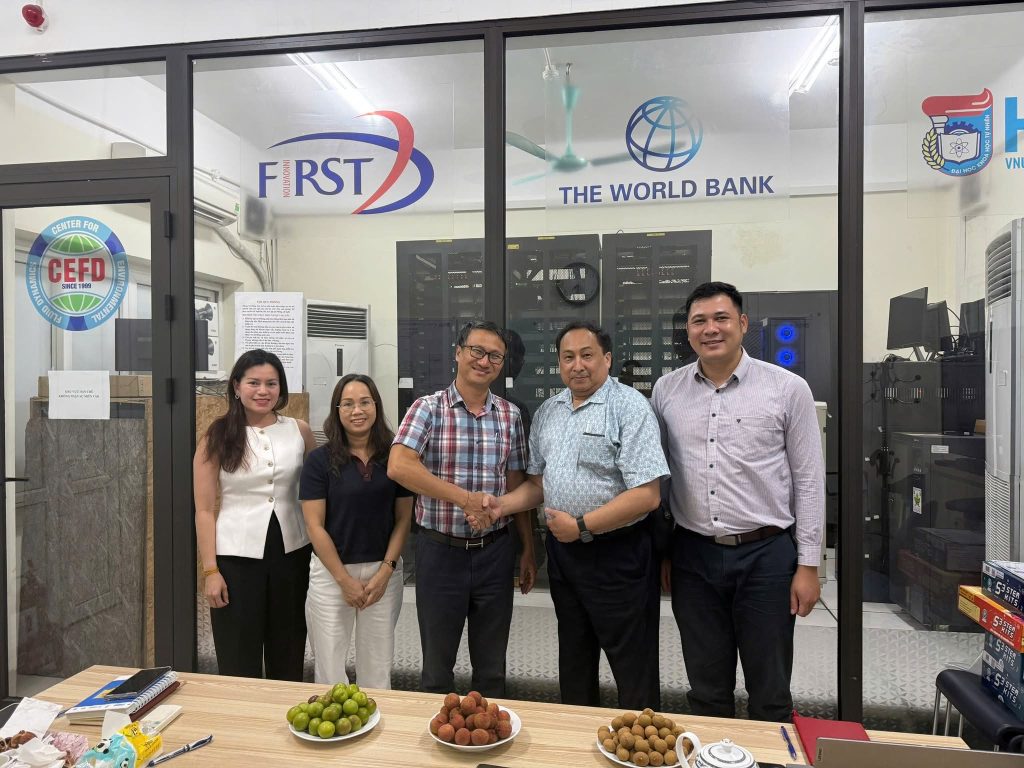
In the context of environmental, social, and governance (ESG) standards becoming crucial conditions for global investment and trade, the ability to disclose sustainable development information is no longer an option but is gradually becoming a necessity for businesses. The official publication of the Vietnamese translation of the GRI Standards by the Global Reporting Initiative (GRI) is considered a significant step forward, helping to narrow the gap between Vietnamese businesses and international standards for sustainable development.
The Vietnamese translation of the GRI Standards is expected to help businesses improve their information transparency, access green capital, and meet the increasingly stringent requirements of the international market.
According to GRI, this translated set of standards includes the Overall Standard, Sectoral Standards, and Subject Standards. The localization of the entire standards system helps businesses, especially small and medium-sized enterprises (SMEs), easily access internationally accepted methods for assessing, managing, and disclosing economic, environmental, and social impacts.
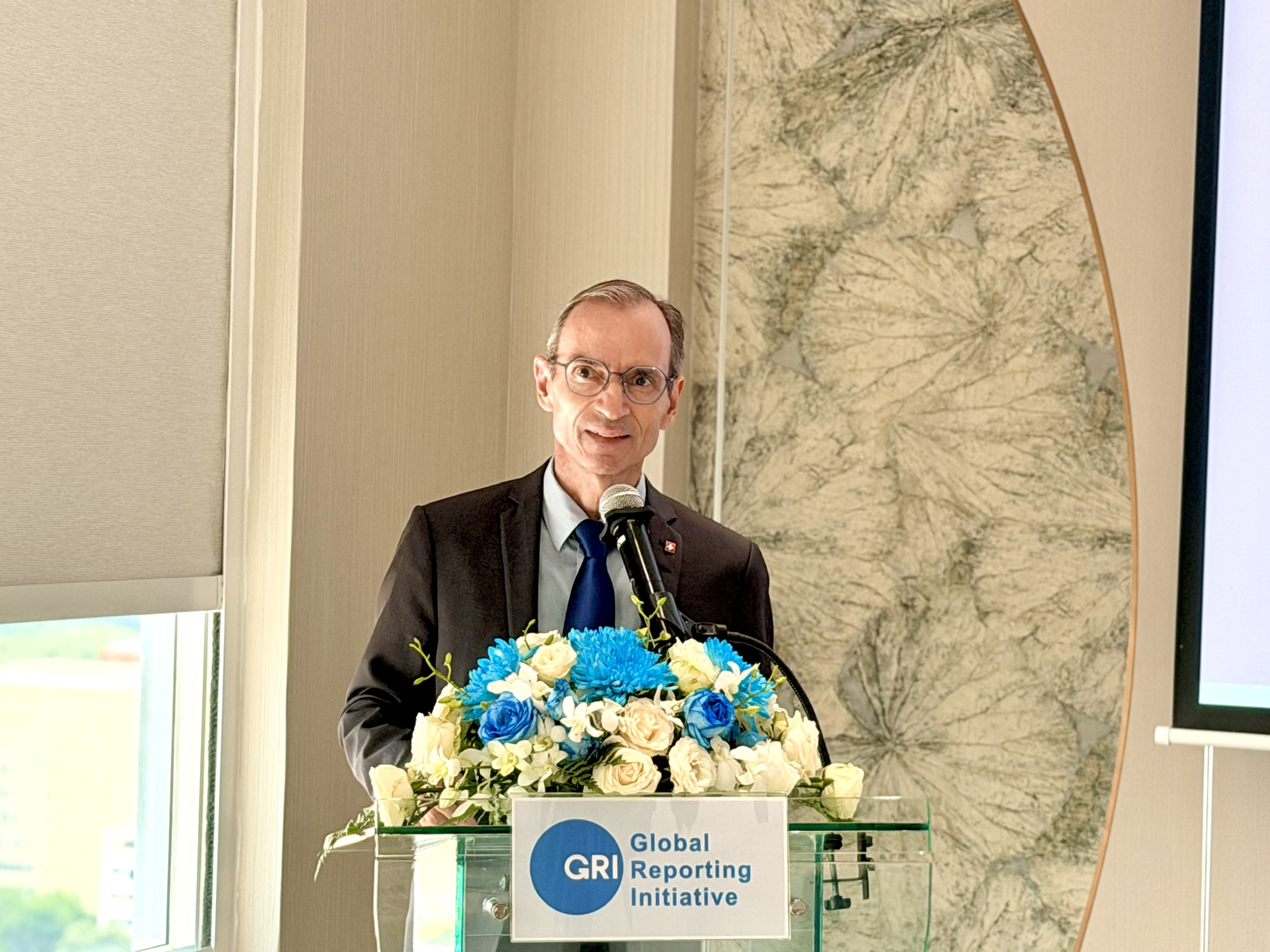
Information transparency becomes a competitive advantage.
In recent years, many major export markets such as the European Union, the United States, and Japan have continuously tightened requirements related to traceability, carbon emissions, and social responsibility in the supply chain. This forces businesses to compete not only on product quality or price but also on their ability to demonstrate transparency throughout the entire production process.

According to experts at the event, new requirements are changing the way businesses operate. While previously sustainability reports primarily served communication or image-building purposes, they have now become a key basis for investors, credit institutions, and international partners to assess a company’s governance capabilities and its readiness to address long-term risks.
Attending online from Singapore, Ms. Esther An – Member of the GRI Supervisory Board, Director of Sustainable Development at City Developments Limited (CDL) emphasized that “sustainability reports contribute to building trust between businesses and stakeholders, while also helping to enhance resilience, attract investment, and increase competitiveness in the global economy.”
Opportunities to access green capital flows.
Beyond serving export activities, sustainability reports are also seen as a “ticket” for businesses to access increasingly expanding sources of green financing worldwide.

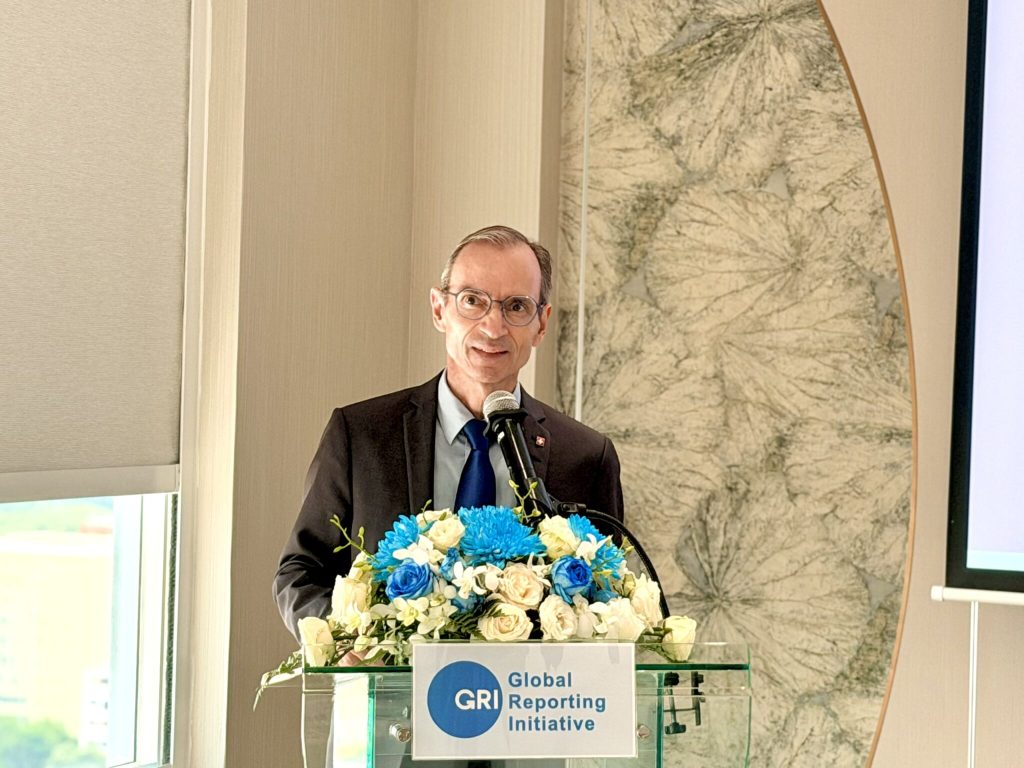
According to Mr. Nguyen Cong Minh Bao, GRI Country Director in Vietnam, “sustainable development factors are increasingly influencing the decisions of investors and lenders. The market is now not only interested in business results but also requires businesses to disclose internationally comparable information on environmental, social, and governance impacts. Providing the GRI Standards in full Vietnamese will enable many domestic businesses to better meet these expectations.”
The presentations at the event also showed a strong trend of global capital flows shifting towards businesses with strong climate risk management capabilities and information transparency. In this context, standardizing reporting systems not only helps businesses increase their access to preferential credit but also creates advantages in fundraising and collaboration with international partners.
Removing barriers for small and medium-sized enterprises
One of the program’s notable aspects is its focus on supporting small and medium-sized enterprises (SMEs) – a group that accounts for a large proportion of the economy but often faces difficulties in accessing international standards due to limited resources and language barriers.
According to GRI, along with the Vietnamese translation of the Standard, training programs, technical guidance, and experience sharing will continue to be implemented to help businesses gradually build management systems that meet the requirements of the global market.
In addition, the STAR Accelerator program was introduced as a solution to support small and medium-sized enterprises (SMEs) in improving their sustainability reporting capabilities, expanding their access to markets and green financing sources during the transformation process.
Strengthening regional linkages for sustainable value chains.
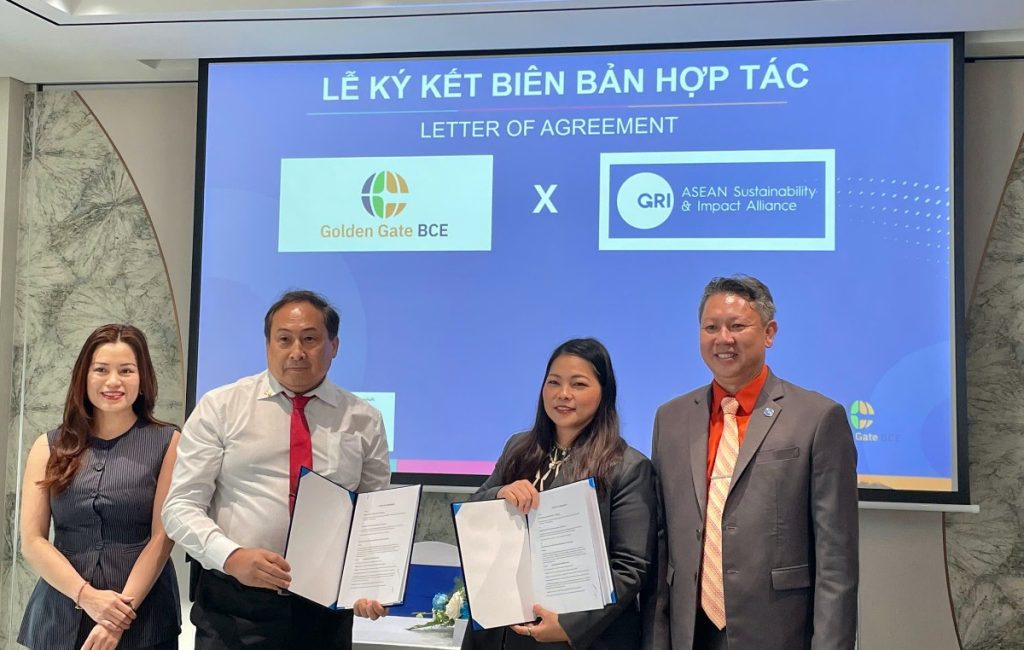
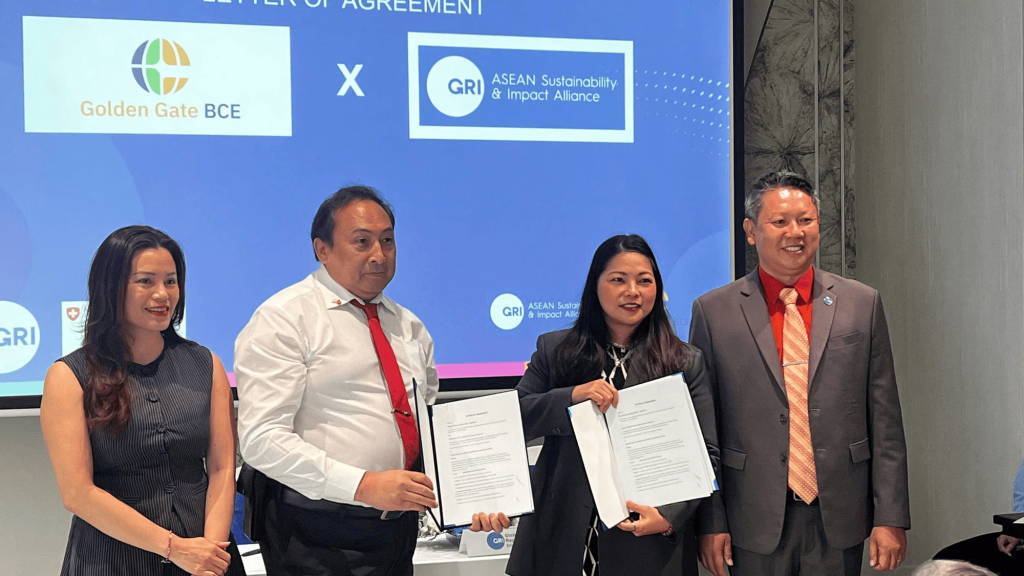
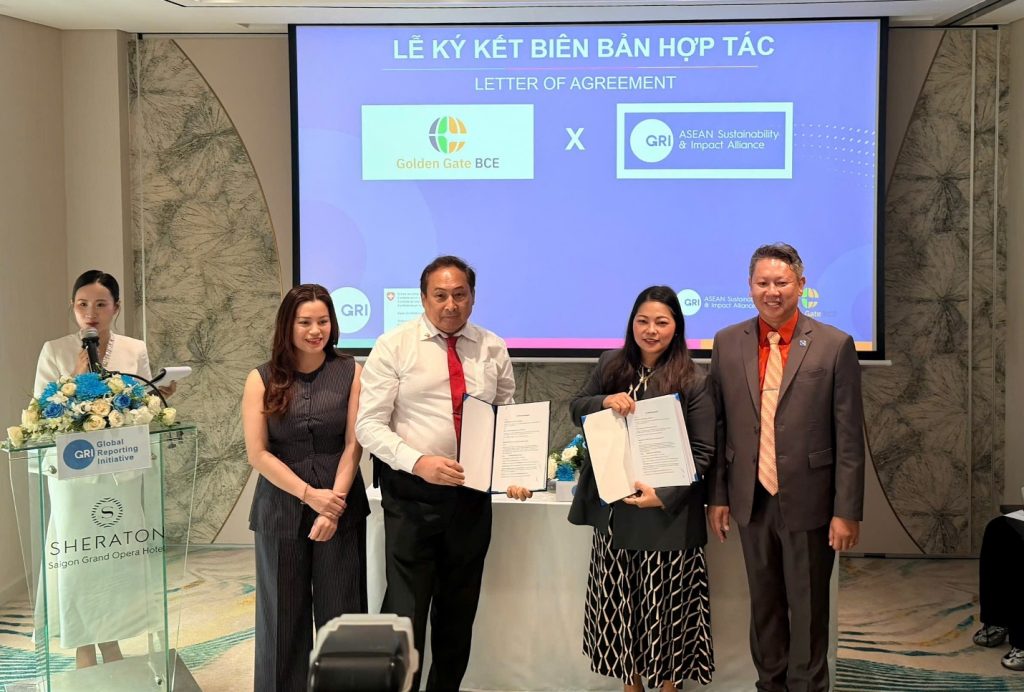
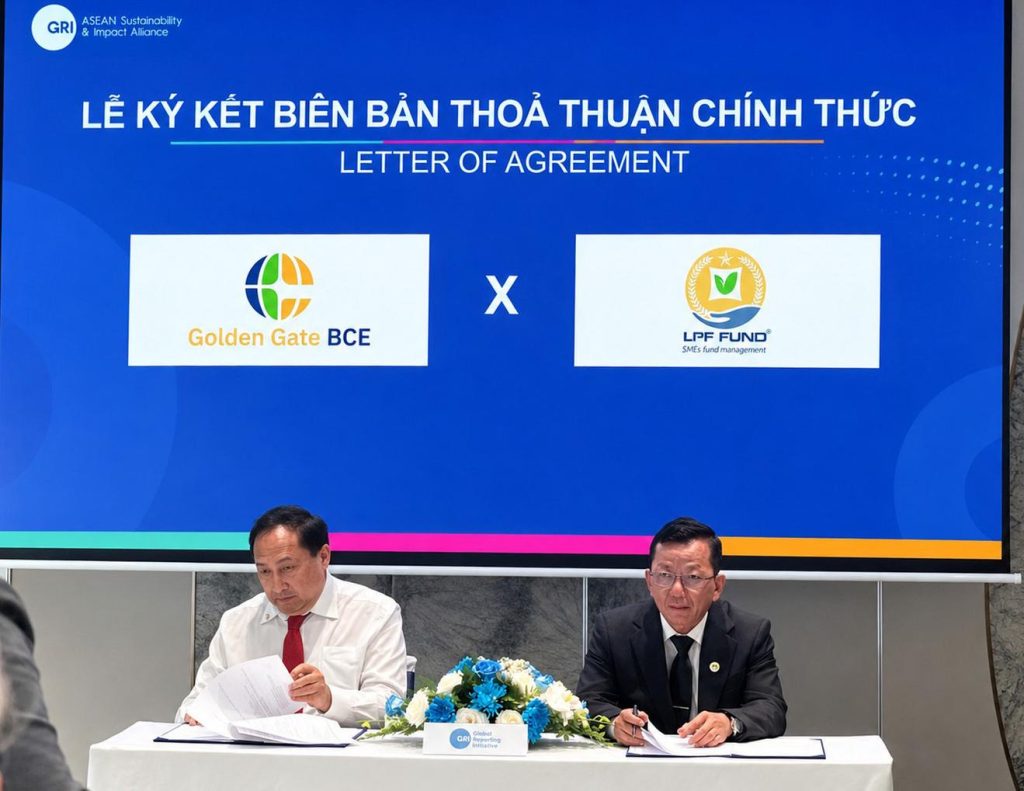
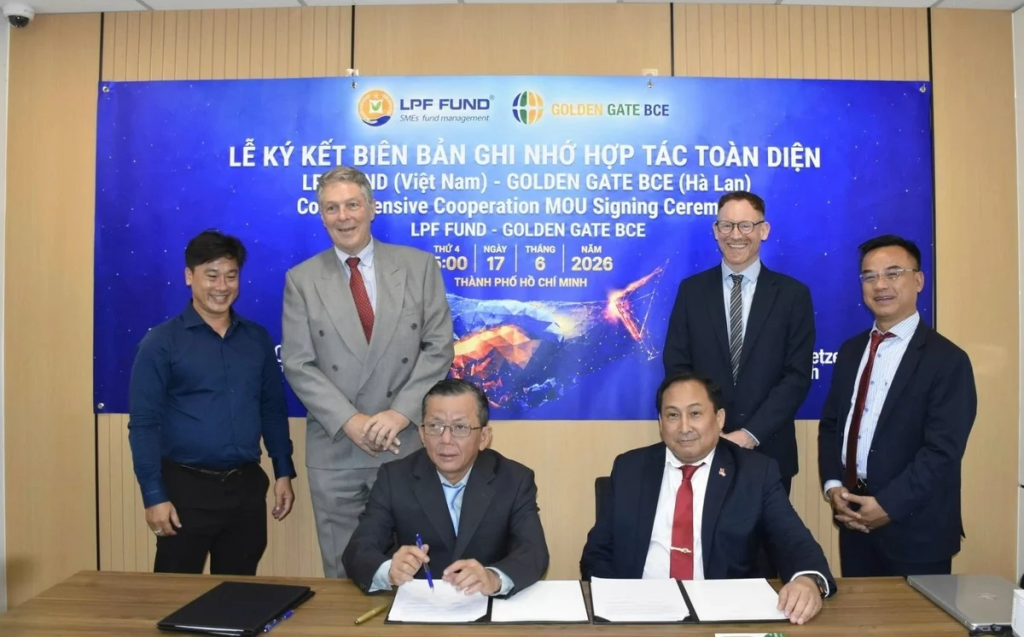
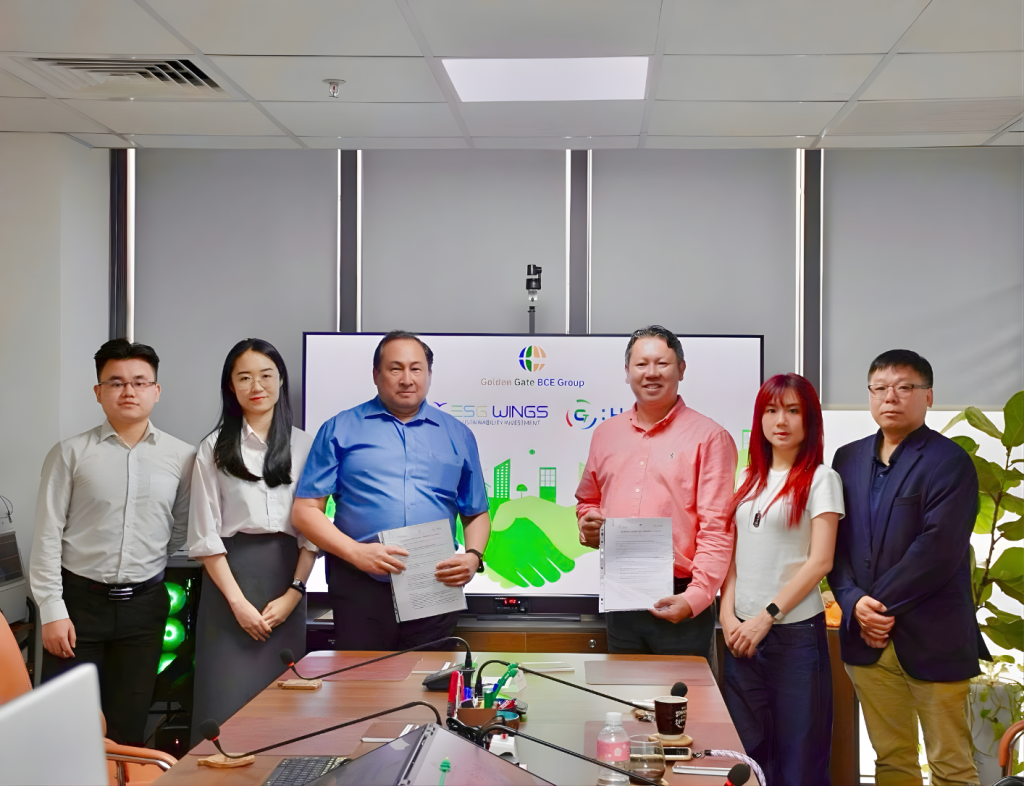
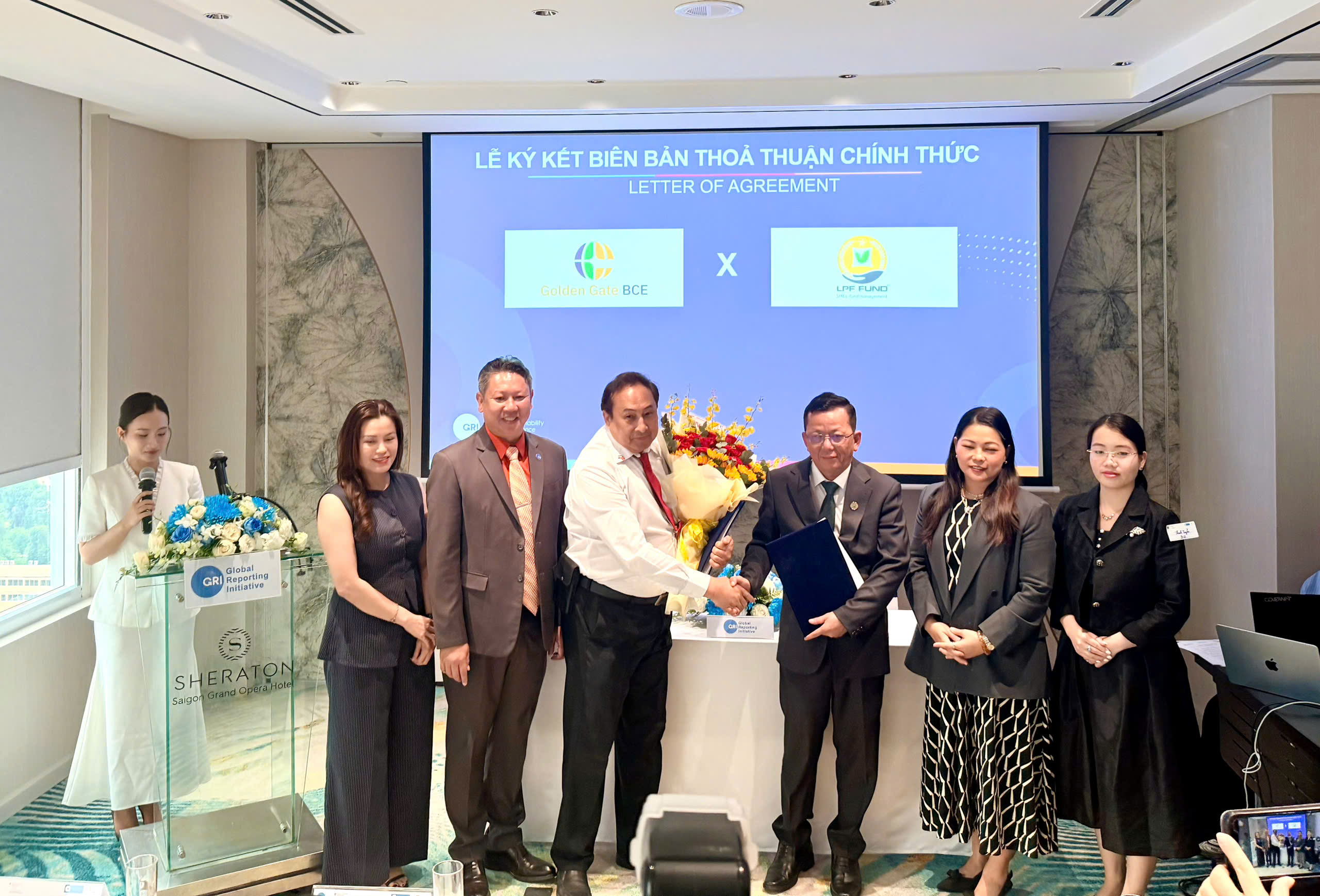
Within the framework of the event, GRI also announced the expansion of cooperation through the ASEAN Sustainability & Impact Alliance (ASIA), with the participation of Golden Gate BCE Group. This initiative aims to promote transparent, traceable agricultural and food value chains and enhance resilience to climate change in Vietnam and Southeast Asia.
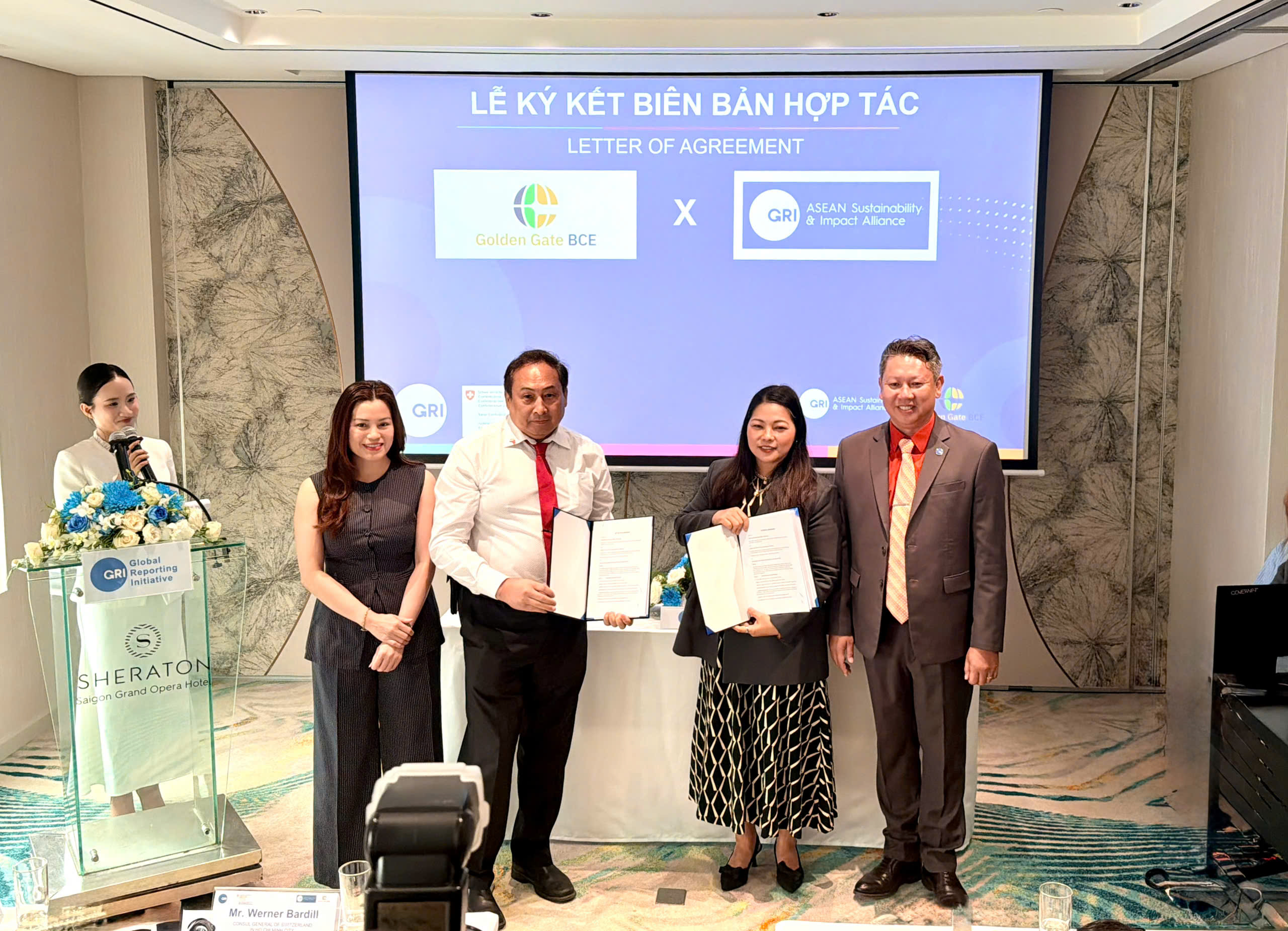
This move reflects the growing trend of cooperation between international organizations and the business community in the region to build a sustainable development ecosystem and enhance the competitiveness of ASEAN businesses in the context of continuously rising global trade standards.
The shift in the global economy shows that sustainable development is no longer solely an environmental concern but has become a key component of national competitiveness. For Vietnamese businesses, adopting international standards in their own language will shorten the integration process and create a foundation to meet the increasingly demanding requirements of the market, investors, and financial institutions.
In the context of an economy striving for green growth and sustainable development, the GRI “green passport” is expected to become a tool to help Vietnamese businesses confidently participate more deeply in global value chains, transforming the requirement for transparency into a driving force for innovation and long-term growth.
Source : douongvietnam.net
- Northann Corp Enters Strategic Relationship with Rexil Group of Companies Netherlands to Promote Sustainable Technology and Products
- “Digital Passport” Empowering Vietnamese Agriculture to Enter Global Markets
- Strengthening Responsible Business Practices in Vietnam: A Shared Commitment Across the Value Chain
- Golden Gate BCE VN Participates in PwC Vietnam’s Workshop on Sustainability Reporting under ISSB Standards
- Bringing international “green” standards closer to Vietnamese SMEs.